
History Train: The Origins of Luxembourg Station
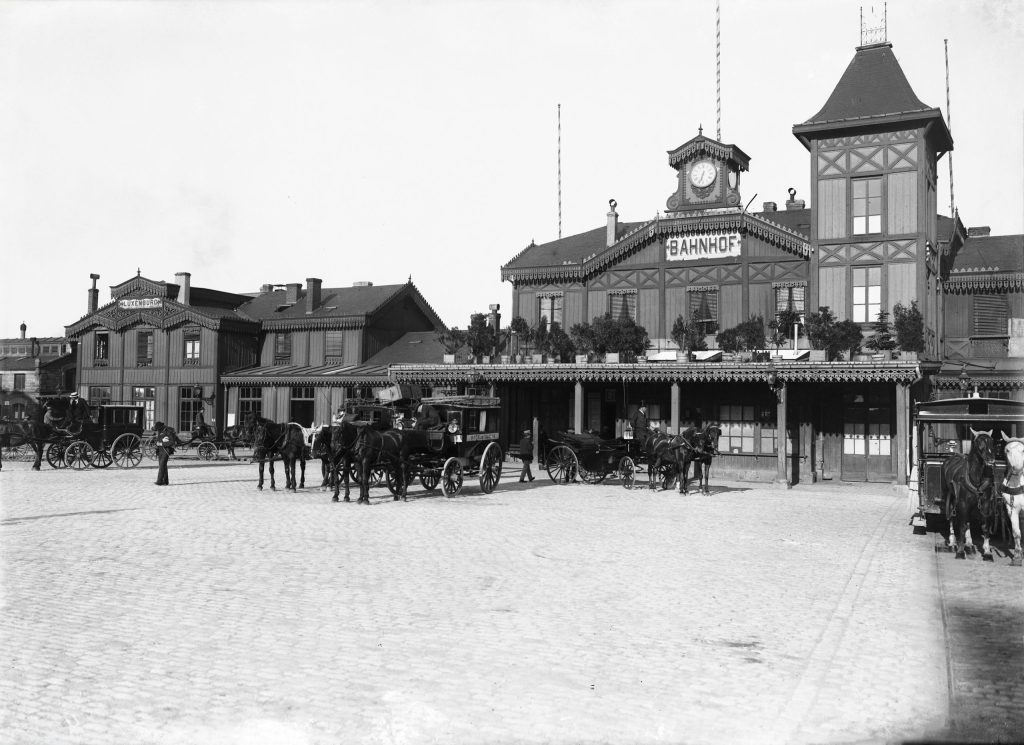
Each month, we invite you to hop aboard the “History Train” to (re)discover a piece of Luxembourg’s railway history. From anecdotes to major events, we open the archives of a rich past whose traces are still visible. For this second edition, let’s focus on Luxembourg Station.
Today, it welcomes more than 80,000 CFL customers every day. But let’s go back to 1857, the year the “Royal Grand-Ducal Company of Guillaume-Luxembourg Railways” was founded — a Luxembourg company with French capital — to understand the context in which the idea of a central station emerged.
To avoid being bypassed by neighboring rail networks, which would have hindered the country’s economic development, the Luxembourg government decided to equip the country with its own rail network and connect it to adjacent networks. However, since the Grand Duchy was then part of the “German Confederation – Deutscher Bund” and the Luxembourg fortress was federal, the Prussian garrison had a say in the location of the future station.
Among the strategic military requirements was the ability to bombard the station from the fortress in case of conflict. There was no question of letting a potential enemy benefit from such infrastructure…
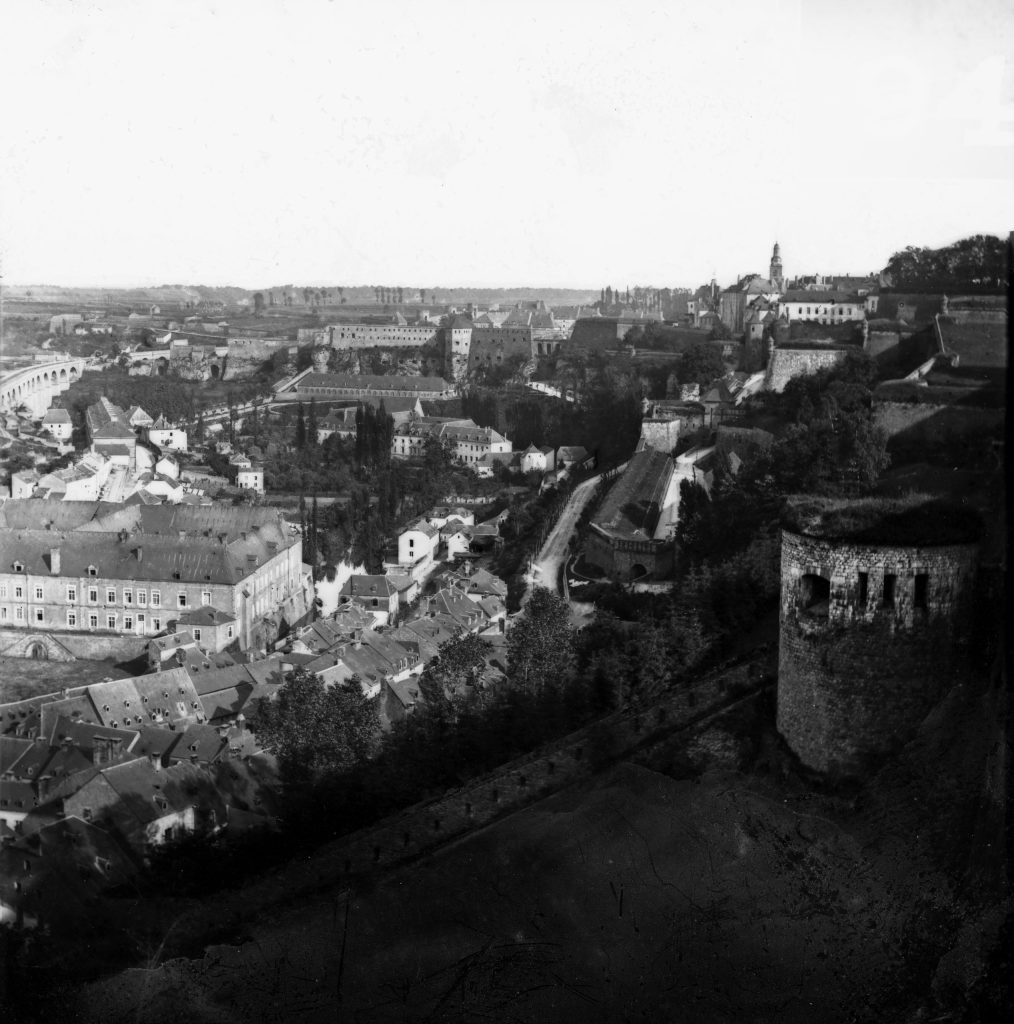
From the Saint-Esprit Plateau to Hollerich
Several sites were considered, including the Saint-Esprit Plateau, the Bourbon Plateau, and the Pétrusse Valley. Each option required significant development work, mainly for military purposes. Residents even wanted the station to be inside the fortress, fearing that a location too far away would drive commercial activity outside the city walls.
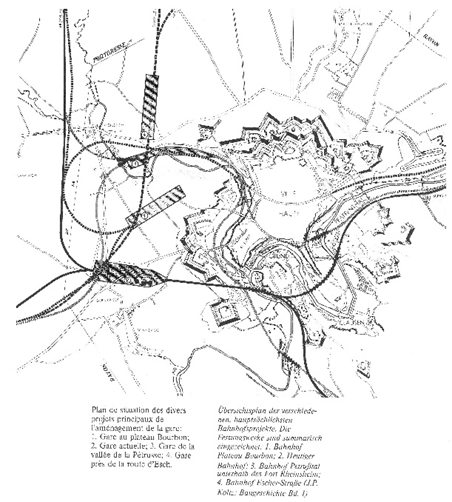
Although the idea of building the new station on the Saint-Esprit Plateau was favored, it was eventually abandoned due to the enormous development costs. The lack of agreement on the station’s location delayed the construction of the rail network, as all lines had to converge there.
Finally, the new station was built starting in 1858 on the territory of the commune of Hollerich (which became part of Luxembourg City in 1920). This choice required modifications to the fortifications, such as building Fort Wedell (at the site of today’s street of the same name) and constructing viaducts. Barely a year later, on October 4 and 5, 1859, the first two railway lines were inaugurated: one to Arlon in Belgium, the other to Thionville in France.
The Station Secured in Its Location
In 1874, military requirements disappeared: the fortress was being dismantled following the 1867 Treaty of London. Permission was granted to build a new stone station, but it would take more than 30 years for the project to materialize. Construction took place between 1907 and 1913.
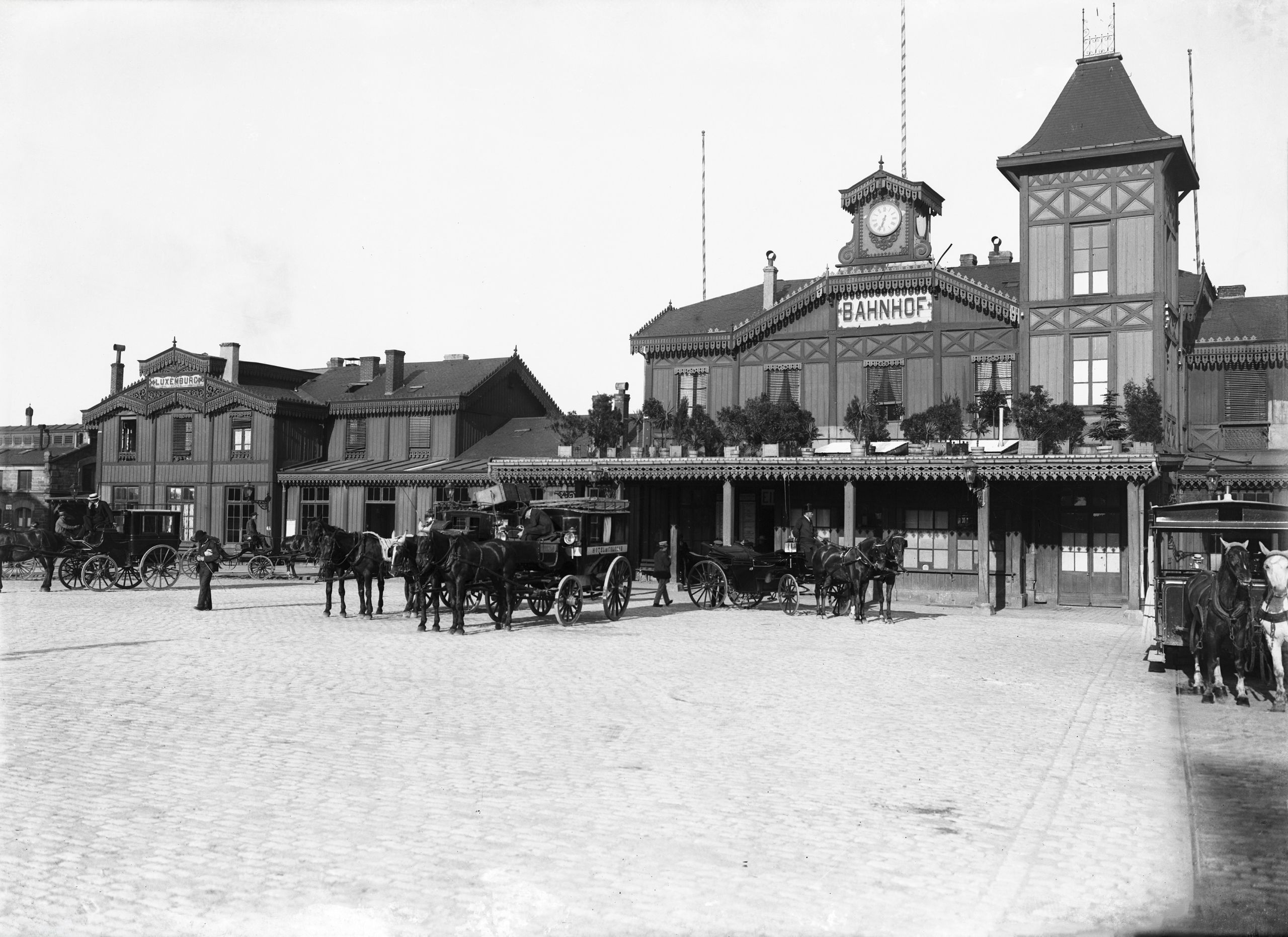

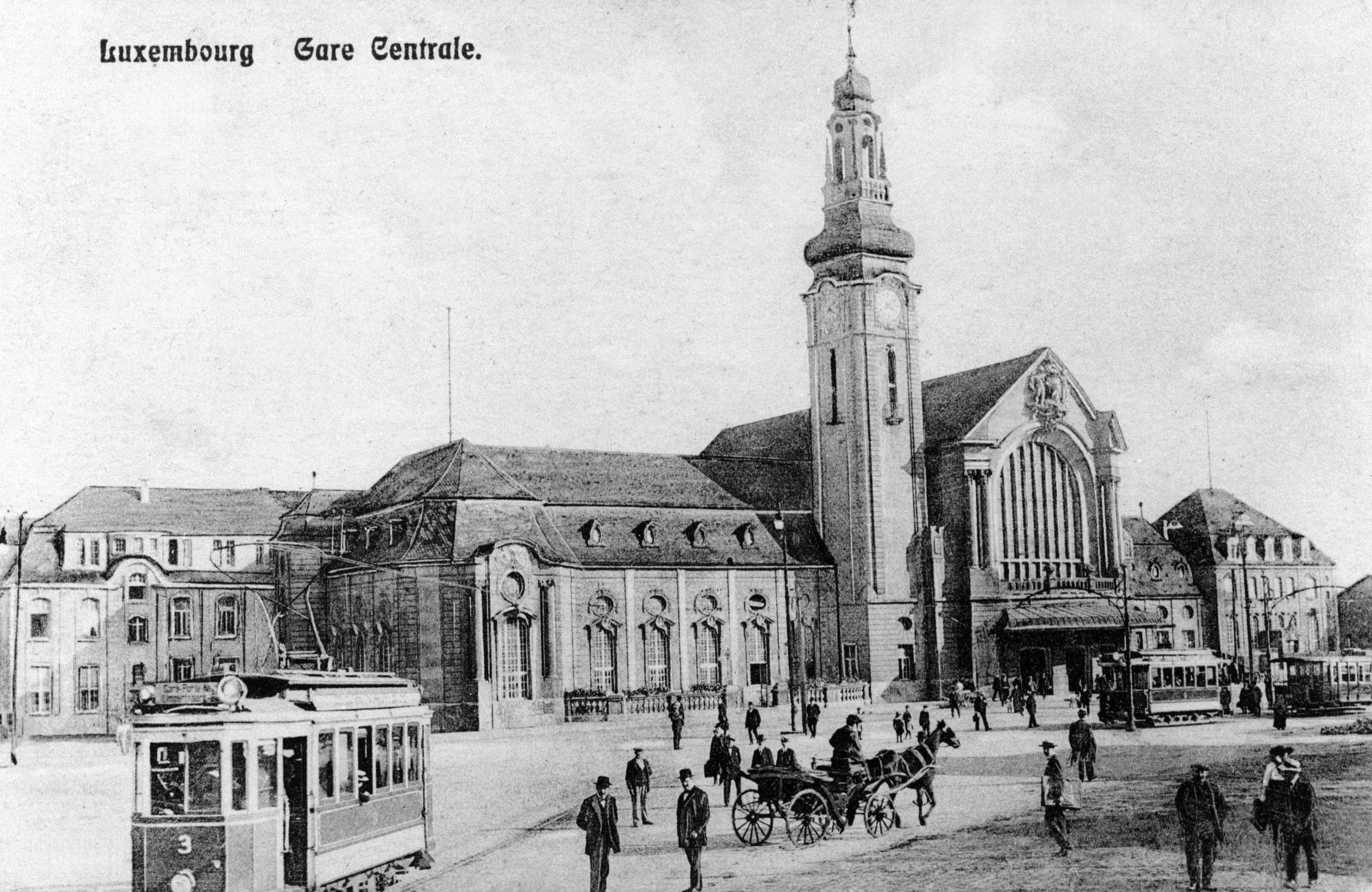

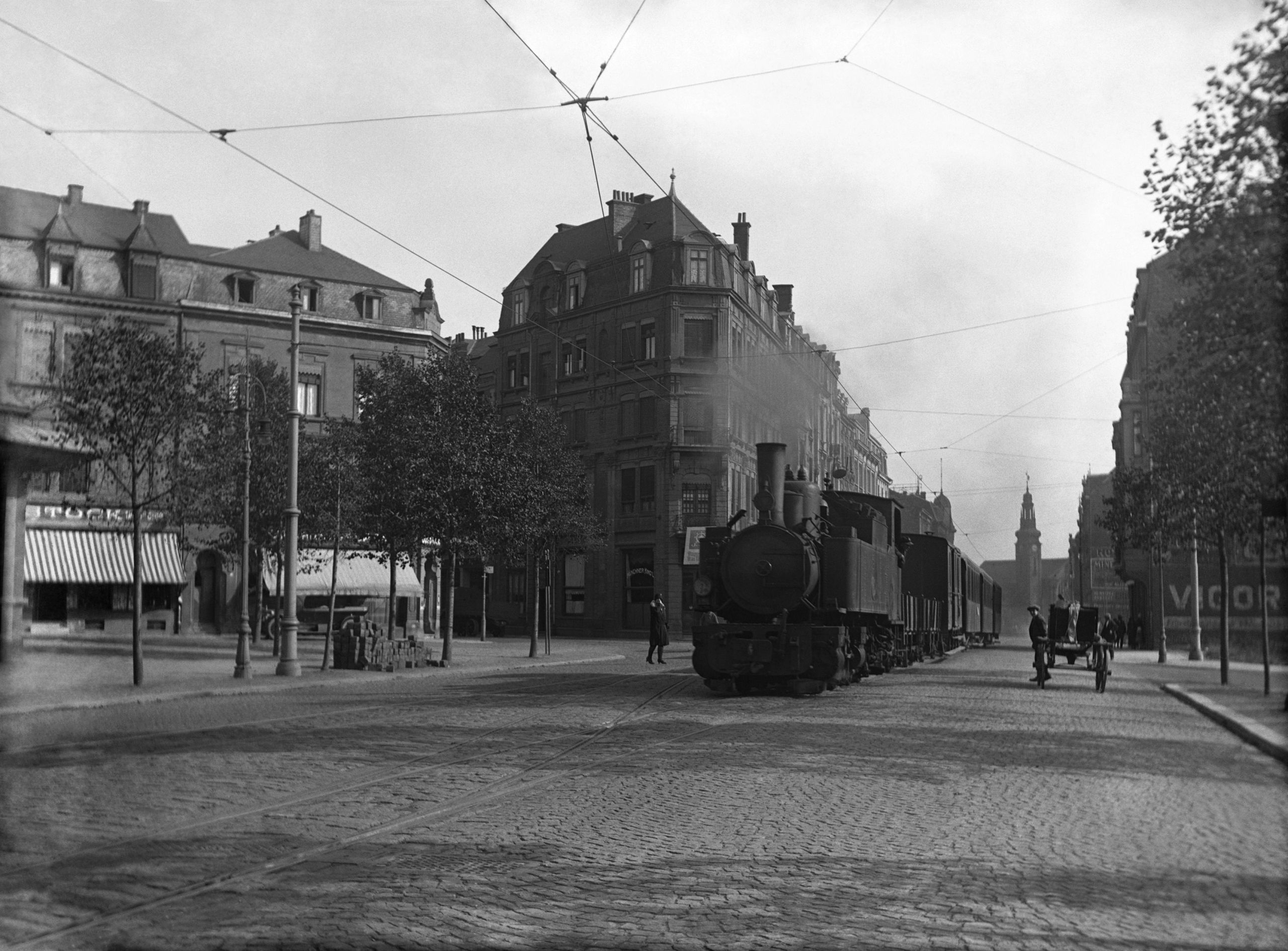
This iconic building became one of the main gateways to the capital, serving trains that bring tens of thousands of passengers every day. As the number of travelers continued to grow, major expansion and renovation works were carried out.
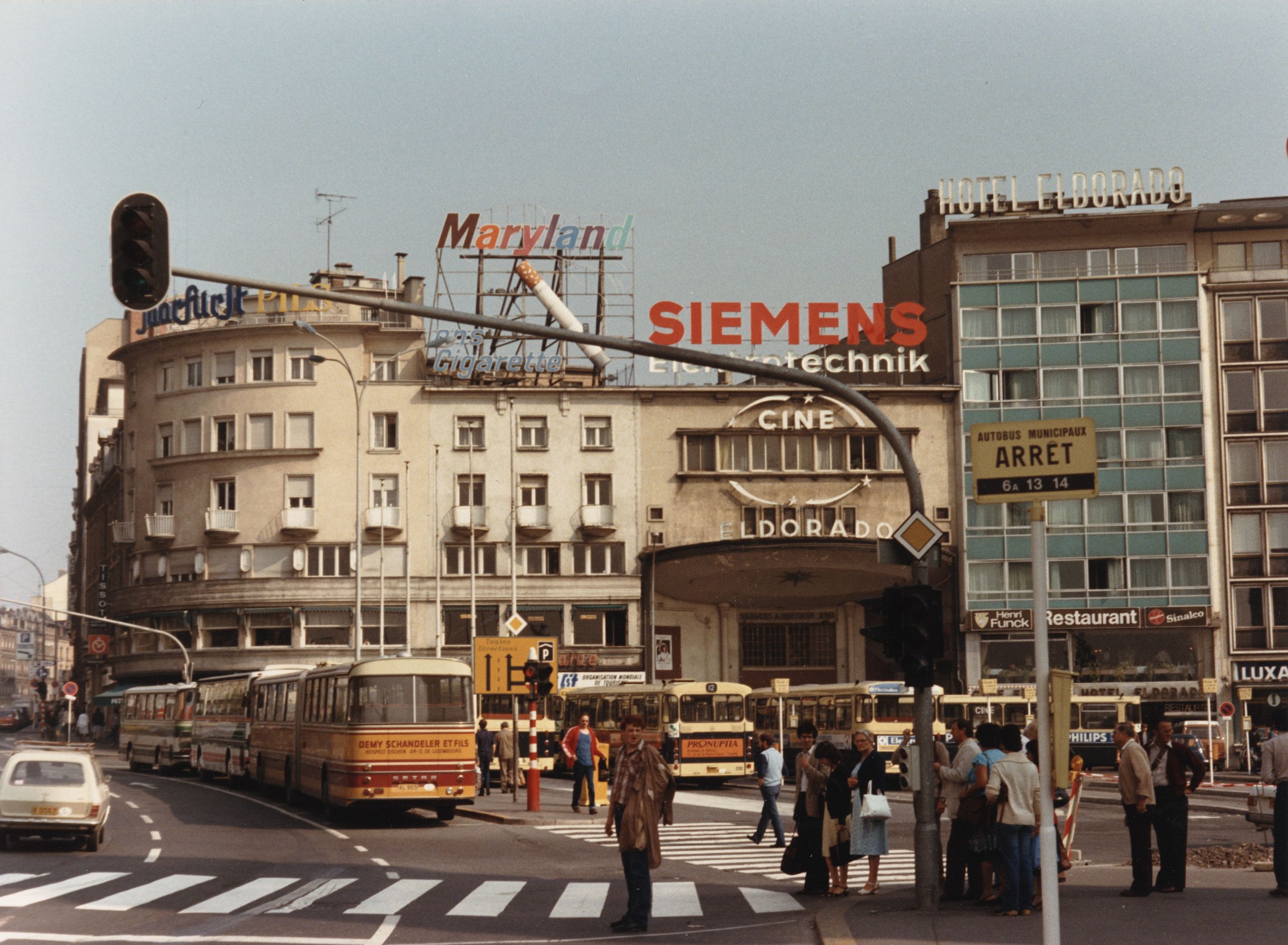
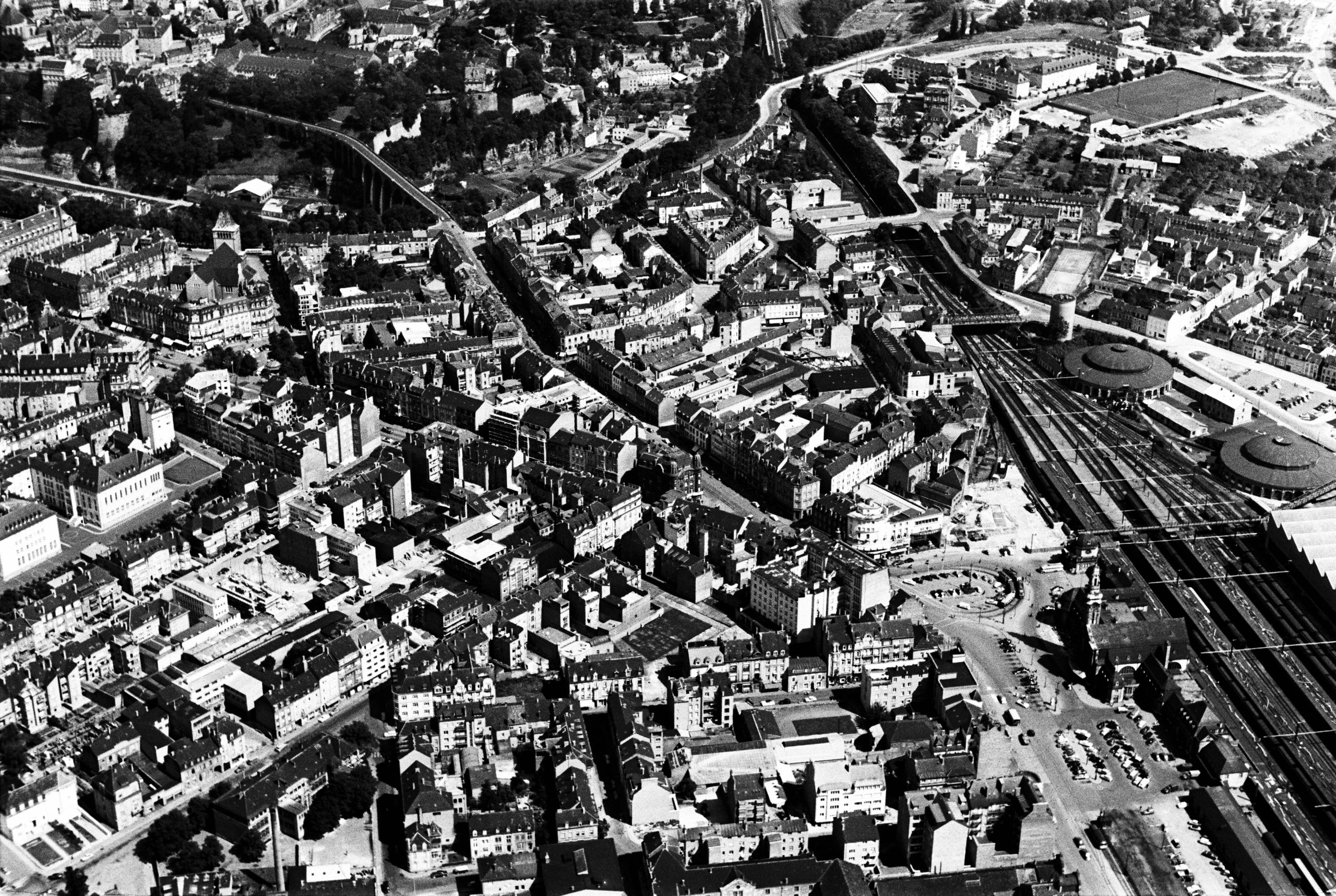
The first works took place between 2006 and 2012, the year of the station’s centenary. They included renovating and enlarging the platforms, building a new underground passage, and creating the glass canopy. On September 21, 2012, Grand Duke Henri officially inaugurated the completion of the works under the freshly opened canopy.
In December 2021, two new platforms (V and VI), four new tracks, and a pedestrian footbridge connecting the Gare and Bonnevoie districts completed the station’s extension.
And as history is made up of cycles, the old tramway already served the station until the early 1960s. Since December 2020, its modern successor has been stopping in front of the building to pick up CFL customers who have just got off the train….
See you soon for another journey aboard the History Train!
Other articles you may like
-
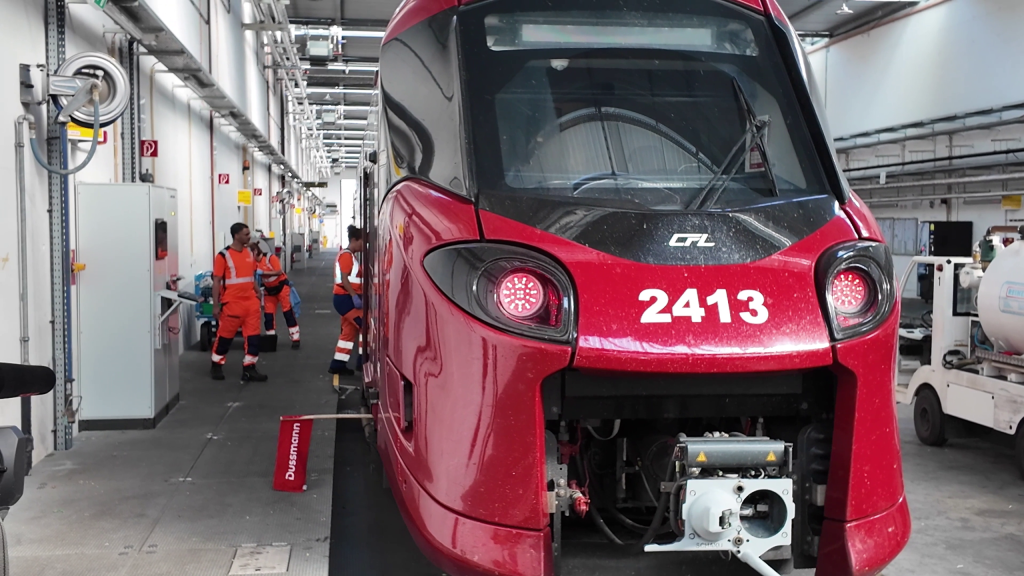 Behind the scenes27 Aug. 20261 minute
Cleaning the CFL trains in 5 key points
Read more -
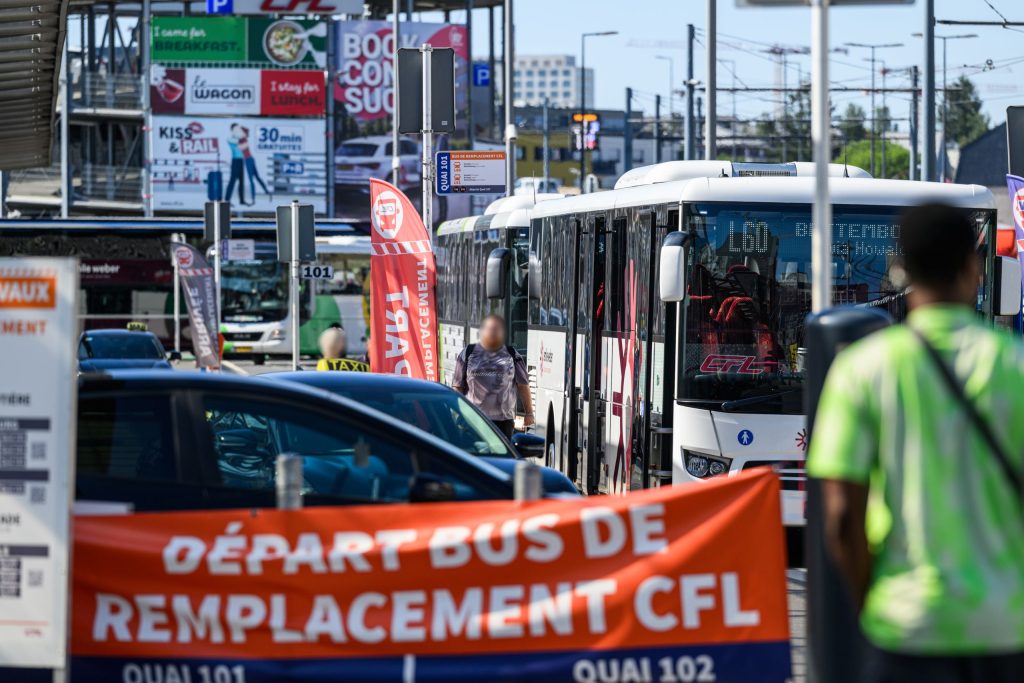 Behind the scenes13 Aug. 20263 minutes
1,000 bus journeys a day: inside the summer 2026 rail replacement operation
Read more -
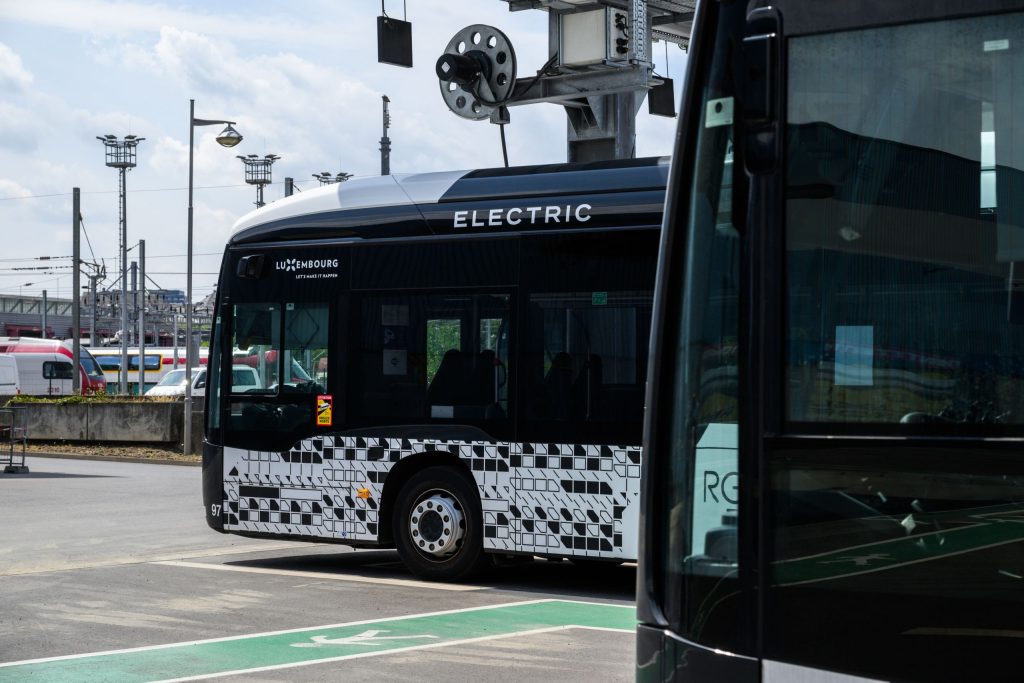 Behind the scenes29 Jul. 20264 minutes
CFL buses are powering ahead with electric mobility
Read more -
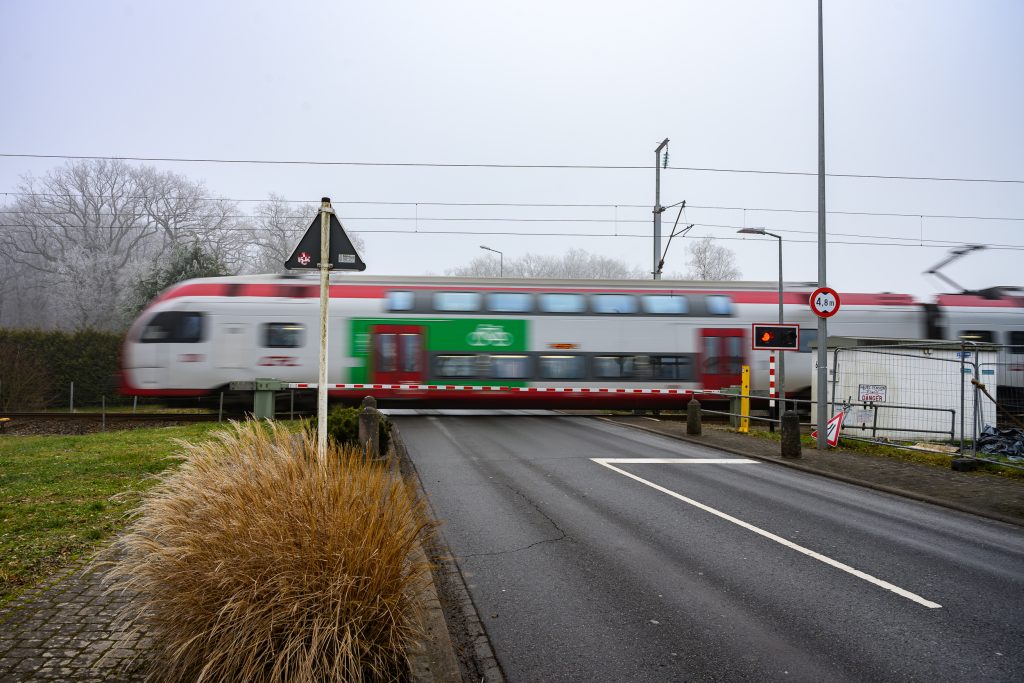 Behind the scenes08 Jun. 20266 minutes
An accident involving a person from a train driver’s perspective
Read more -
 Behind the scenes29 Apr. 20263 minutes
Using Psychology and Engagement to Improve Cleanliness in Train Toilets
Read more -
 Behind the scenes16 Apr. 20263 minutes
Trains at a standstill, full activity on the tracks
Read more