
History Train: the Luxembourg–Wasserbillig line
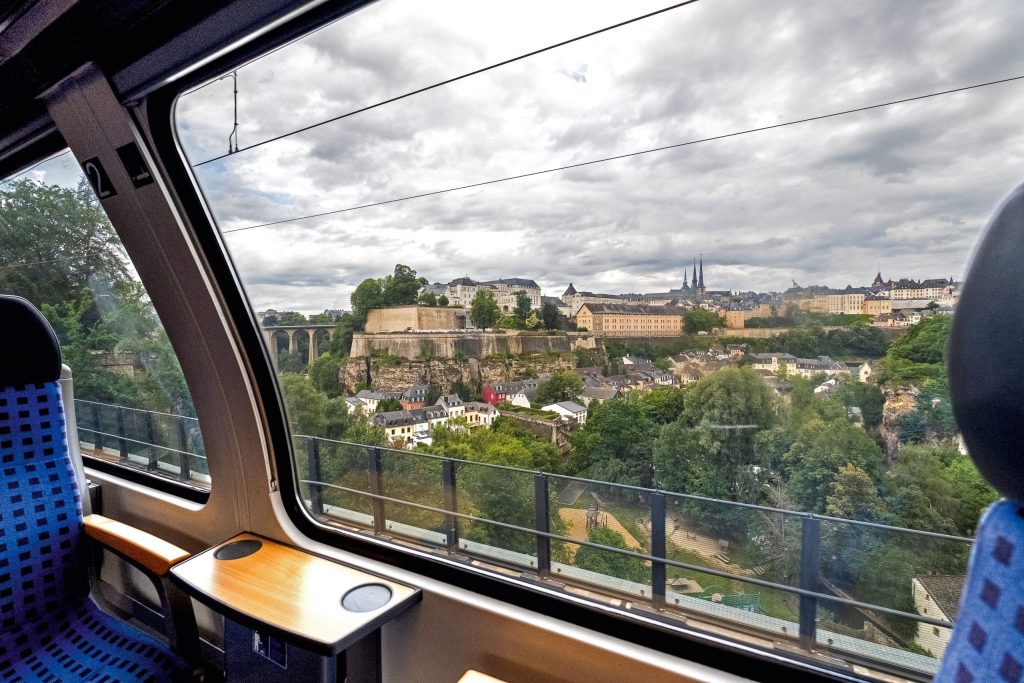
In the mid-19th century, Luxembourg set out to establish a railway network capable of supporting its economic development and connecting it to the major European centres. Under the impulse of Prince Henri, the King of the Netherlands’ representative in the Grand Duchy, the Guillaume-Luxembourg company began construction in 1858 on several lines running from Luxembourg station to neighbouring countries: France, Belgium and Germany.
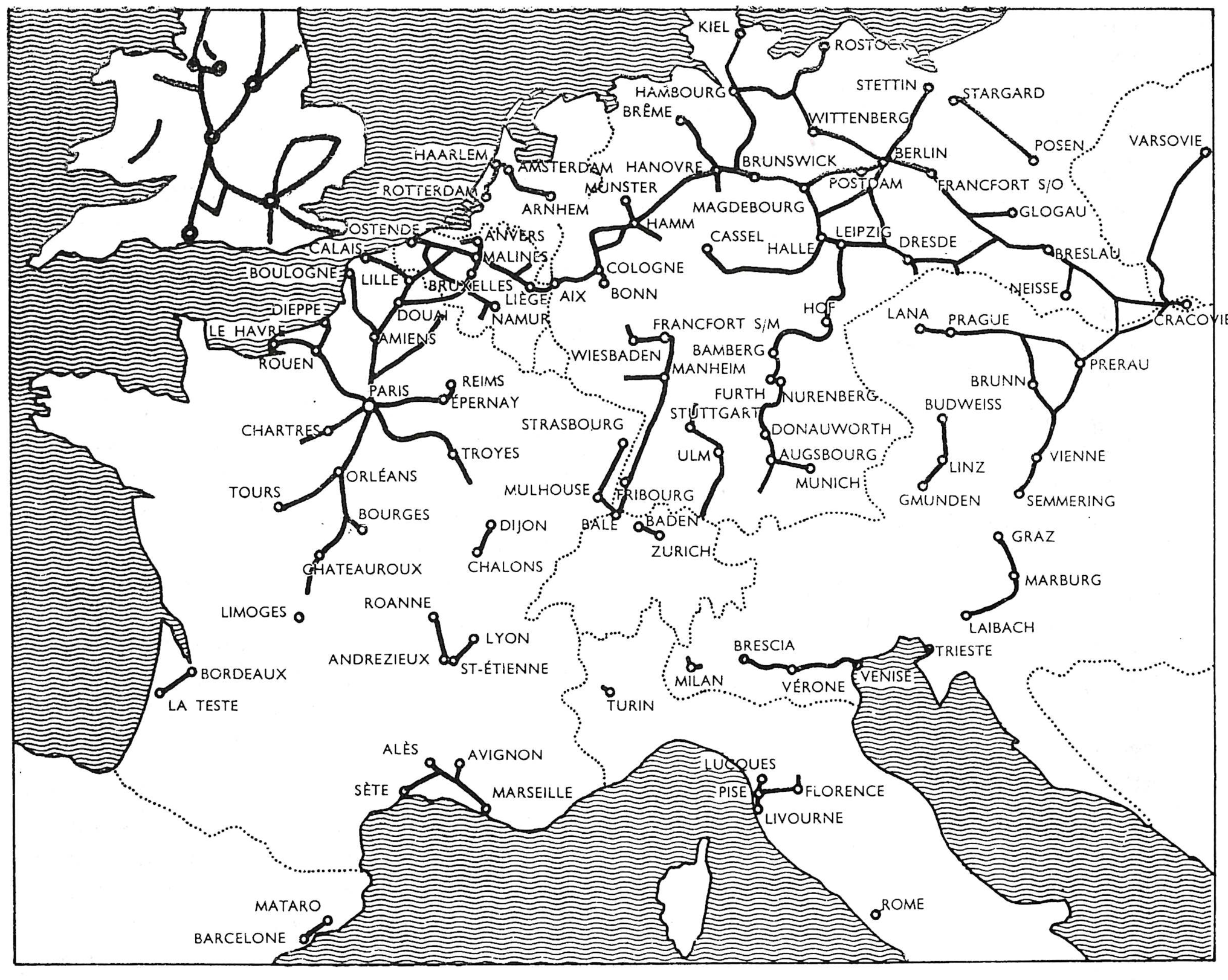
The link to Germany, however, has been the subject of much debate. The current route of the Luxembourg–Wasserbillig line still bears the marks of this: after leaving the capital, the track initially appears to head towards Remich, then turns northwards, before branching eastwards towards the Moselle. This unusual route is the result of the numerous hesitations and controversies that characterised the planning and construction of the line.
No fewer than thirteen proposals were considered. Two alternatives were ultimately selected: one ran alongside the Moselle via Canach, Ehnen, Wormeldange and Grevenmacher, whilst the other crossed the Syre valley.
The former was deemed easier to build and more beneficial to certain localities; the latter was shorter, allowed for higher speeds and resulted in lower operating costs.
A turning point
In March 1859, the government opted for the Moselle route. Work began, but this led to fierce opposition. Industry leaders, landowners, winegrowers and local politicians all advocated different interests. The debate intensified in the press, whilst costs, expropriations and even the risk of landslides fuelled the controversy.
A few months later, the Guillaume-Luxembourg Company itself changed its position and argued in favour of the Syre Valley. Despite his irritation over this change of heart, Prince Henri eventually accepted the amendment. The new route was officially confirmed on 9 July 1860. Whilst the earthworks were carried out as far as Canach, the line already branched off northwards near Moutfort.
Work was completed in 1861. In July, the first journey was made between Luxembourg and Wasserbillig. The official opening took place on 14 August 1861 in the presence of Prince Henri.
Even today, the line’s distinctive route reminds us of this eventful chapter in Luxembourg’s railway history, marked by political, economic and territorial issues that have had a lasting impact on the national network.
This article was also published in the September 2026 issue of Am Mëttelpunkt magazine.
Other articles you may like
-
CFL Group16 Nov. 20262 minutes
History Train: the Luxembourg–Wasserbillig line
Read more -
 CFL Group30 Oct. 20264 minutes
Improving gender diversity in the workplace: a marathon best run as a team
Read more -
 CFL Group10 Jul. 20263 minutes
“Using technology to better support and assist trainers and learners”
Read more -
 CFL Group25 Jun. 20264 minutes
Farewell and thank you, Mr Waringo
Read more -
 Behind the scenes21 Nov. 20258 minutes
CFL cactus shoppi: “Meeting the needs of our customers by being as close to them as possible.”
Read more -
 CFL Group01 Oct. 20255 minutes
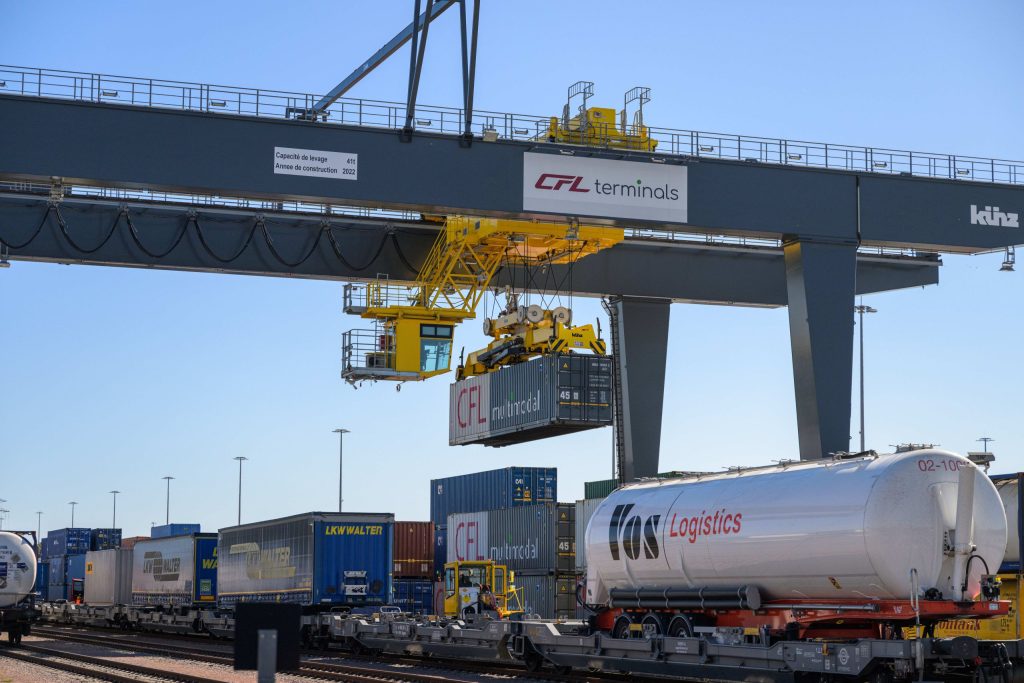
At the Bettembourg-Dudelange terminal, the train of tomorrow’s logistics is already on the right track
Read more