
“Using technology to better support and assist trainers and learners”

With over 206,000 hours of training in 2025, more than 2,000 certificates and diplomas delivered, and a wide range of tailor-made training modules developed, the Training & Development Department plays a key role in CFL’s human resources strategy, as explained by Angelique Jaskula, Head of the Training & Development Department at CFL.
Given the wide variety of roles, how is the CFL’s training strategy organised?
The diversity of roles at the CFL requires a coherent and coordinated training strategy. We work closely with our colleagues in each profession to identify their specific needs, whilst maintaining an overarching vision based on key competencies: safety, quality, operational excellence and innovation. This approach ensures both the expertise specific to each field and a shared culture that serves the organisation.
We rely primarily on four main pillars to achieve our objectives and take account of the diversity of our business lines and profiles: access and autonomy through online modules, the learning experience through innovations in digital teaching methods, efficiency through the integration of artificial intelligence, and the effective steering and management of data. Our colleagues are our clients and are therefore at the heart of our training strategy, just as external clients are for the CFL services.
How is artificial intelligence integrated into training programmes?
It is true that artificial intelligence (AI) is gradually becoming part of our practices. In 2025, we worked on learning personas, contributed to the CFL Group’s dedicated roadmap, launched a chatbot project focused on railway regulations, and drafted a code of practice to ensure its ethical use in training. We are also exploring how AI can improve our assessments. The aim is simple: to use technology to provide better support, enhance the quality of teaching, and support our trainers and learners.
Furthermore, to support all our colleagues through digital transformation, we have launched the ‘AI Starter Pack’ on our internal training platform, CFL e-Academy: a straightforward course, accessible to all, which helps people understand artificial intelligence, use Copilot safely and develop their own critical thinking skills.
The CFL remains a company where people play a central and essential role. How can we envisage the future of training whilst taking the human factor into account, from the perspective of both the trainer and the participant?
For us, training remains, above all, a human endeavour. Trainers play a key role: they share their experience, build trust and support learners’ learning journeys. But the learner also plays a central role: we design more personalised learning pathways that consider their level, pace, needs and real-world circumstances. Digital technology offers flexibility, but it is interaction, attention and active listening that really drive progress.
The future of training rests on balance: technology enables us to personalise, accelerate and secure the learning process, but it is human interaction that fosters engagement, trust and the transfer of skills.
Other articles you may like
-
CFL Group10 Jul. 20263 minutes
“Using technology to better support and assist trainers and learners”
Read more -
 CFL Group25 Jun. 20264 minutes
Farewell and thank you, Mr Waringo
Read more -
 Behind the scenes21 Nov. 20258 minutes
CFL cactus shoppi: “Meeting the needs of our customers by being as close to them as possible.”
Read more -
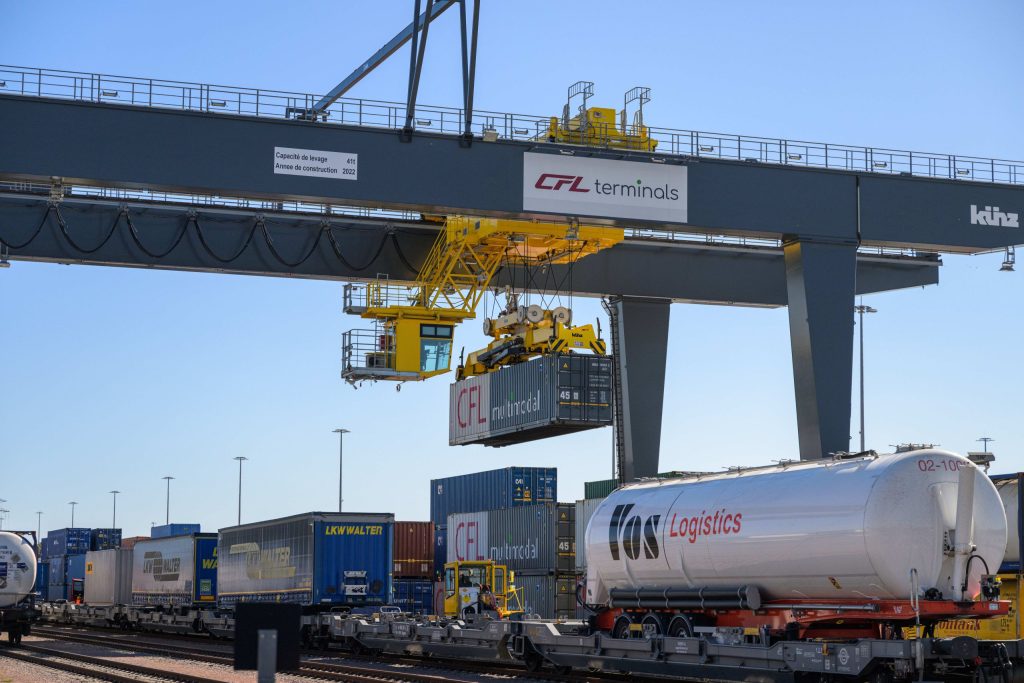 CFL Group01 Oct. 20255 minutes
At the Bettembourg-Dudelange terminal, the train of tomorrow’s logistics is already on the right track
Read more -
 Behind the scenes13 Aug. 20252 minutes
10 well-known (and some less so) facts about the CFL
Read more -
 CFL Group18 Jun. 20257 minutes
“We can be proud to welcome more and more customers”
Read more