
An accident involving a person from a train driver’s perspective
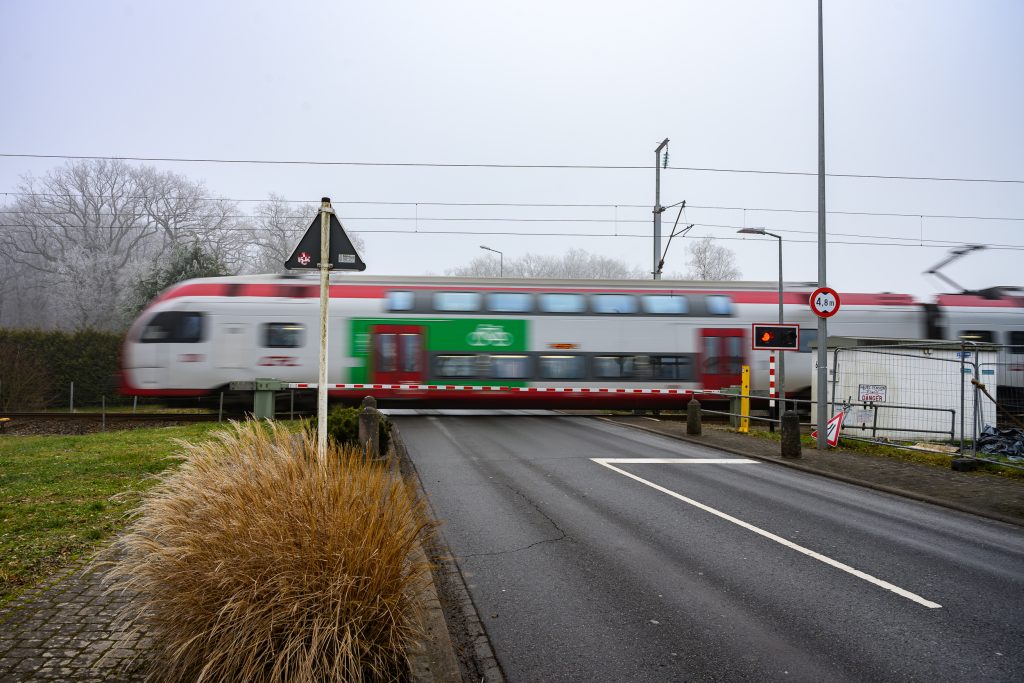
Patrick Raach has been a train driver with the CFL for 24 years. In 2023, his train struck a person at a level crossing in Lintgen. The experienced driver recounts the moment of the accident and what followed, explains how he coped afterwards, and urgently reminds people of the correct behaviour at level crossings and along railway tracks.
Patrick Raach, when and where did the accident occur?
It was on 6 January 2023, at around 10:30 in the evening, at the level crossing in Lintgen. I was driving an express train on Line 10 towards Ettelbruck. In Lintgen, where the stop is located directly next to the level crossing, no stop was scheduled.
When did you realise that someone was on the tracks?
From a distance of about 300 metres, I saw a person crossing the tracks. I sounded the horn and at the same time initiated an emergency brake, as I wanted to prevent something worse from happening. Unfortunately, there was no reaction whatsoever from the person, and they were struck by the train.
“It all felt like a film.”
What were your first thoughts and reactions at that moment?
It all felt like a film: I switched to autopilot and carried out the prescribed procedures. I activated the warning lights to alert oncoming trains, made the radio call “Alarm, alarm, alarm” to bring trains to a halt, and contacted the signalling centre.
A colleague happened to be on board as a passenger…
…who then came into the cab to check how I was and subsequently inspected the scene of the accident. Waiting for his feedback felt incredibly long, while everything that had just happened replayed vividly in my mind.
You then left your post…
…exactly. By then, the police were already on site, along with our standby service, who took care of me. I had to answer a few questions and take the obligatory alcohol test, after which I was driven home.
You didn’t see the victim directly?
No, I had only noticed their silhouette on the tracks.
How did things continue for you in the days that followed? Did you receive medical support?
I consulted my GP. Due to what I had experienced, I was both mentally and physically very affected, so I was signed off sick. After those two weeks, it was up to the occupational doctor to confirm whether I was fit for work. Because my blood pressure was still too high, that wasn’t the case, and my GP extended my sick leave. At the same time, I received support from CFL’s psychologist to help me process what had happened.
While you were off work, how present was the accident in your daily life?
In the first few days, the images from 6 January kept resurfacing at night. As a train driver, I also kept wondering whether I had acted correctly and in line with regulations. The discussions with my coach really helped, as he confirmed that I had done everything right. Otherwise, I followed the advice of my GP and the psychologist – I spent a lot of time with people and in nature to clear my mind, which truly helped.
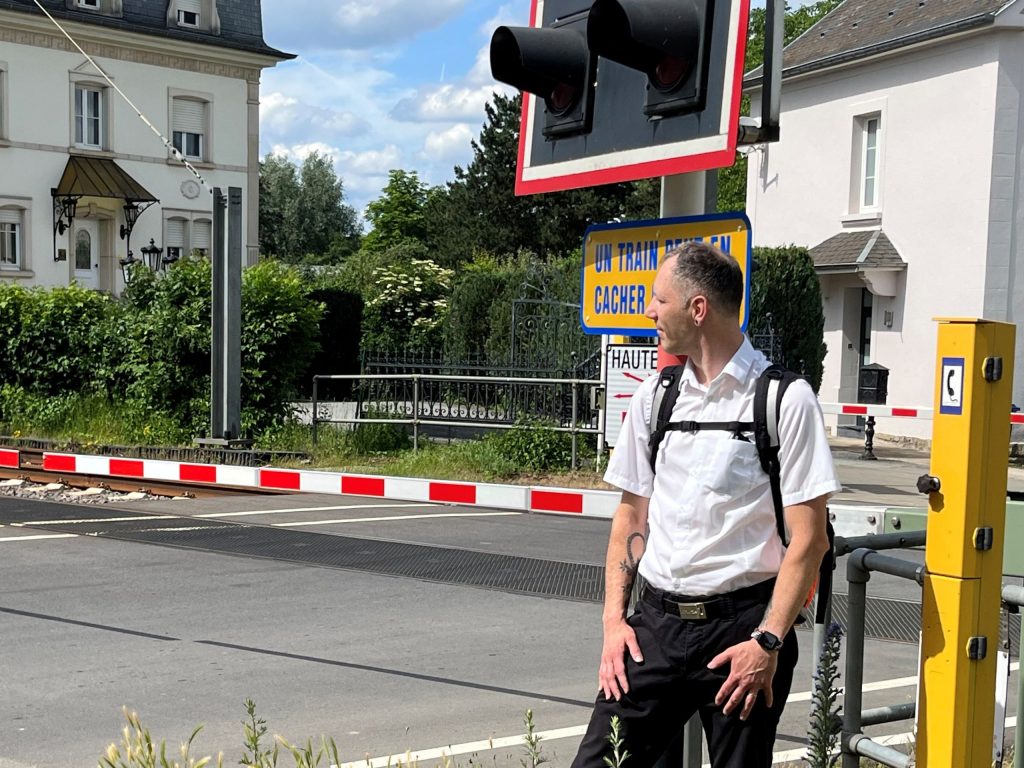
“An adult should be aware that being on the tracks puts their life in danger.”
Do colleagues talk about such traumatic experiences, or is it a taboo subject?
It’s a taboo subject because it’s so difficult. You never really know how to approach someone about it, or whether the person affected even wants to talk. Conversations are most likely to happen when the person concerned takes the initiative themselves. From my own experience, I know how important it is to talk about it rather than bottle it up.
Did the fate of the victim weigh on your mind?
Later on, I learned more about the person at work – their job, that they had relatives, and where they lived. Until then, I only knew that it was an adult, and I didn’t want to know more – probably to avoid making additional assumptions or even blaming myself. An adult should be aware that being on the tracks puts their life in danger. A train cannot swerve, and a train driver can never be responsible for such a collision.
What did it feel like when you returned to work as a train driver?
The first journey felt strange. I drove together with my coach, and we travelled the same route with an express train to see how I would react when passing through Lintgen. During the ride, the whole scene leading up to the accident replayed in my mind, and I felt uneasy at times. In the days that followed, these thoughts came back occasionally, but now, three and a half years later, I am aware when driving on the northern line that something happened there, without it affecting my ability to do my job properly.
How do you perceive people who get too close to the tracks? Do you fear it could happen again?
It does trigger a reaction – as it should, because we must always stay alert. In such situations, I follow procedures and use the prescribed warning signals. These situations frustrate me, as people seem to have no awareness of the danger of being near or on the tracks – despite continuous awareness campaigns. I tell myself that they may think a train’s braking distance is the same as a car’s. In reality, it can take up to 1,200 metres for a train to come to a complete stop under full braking.
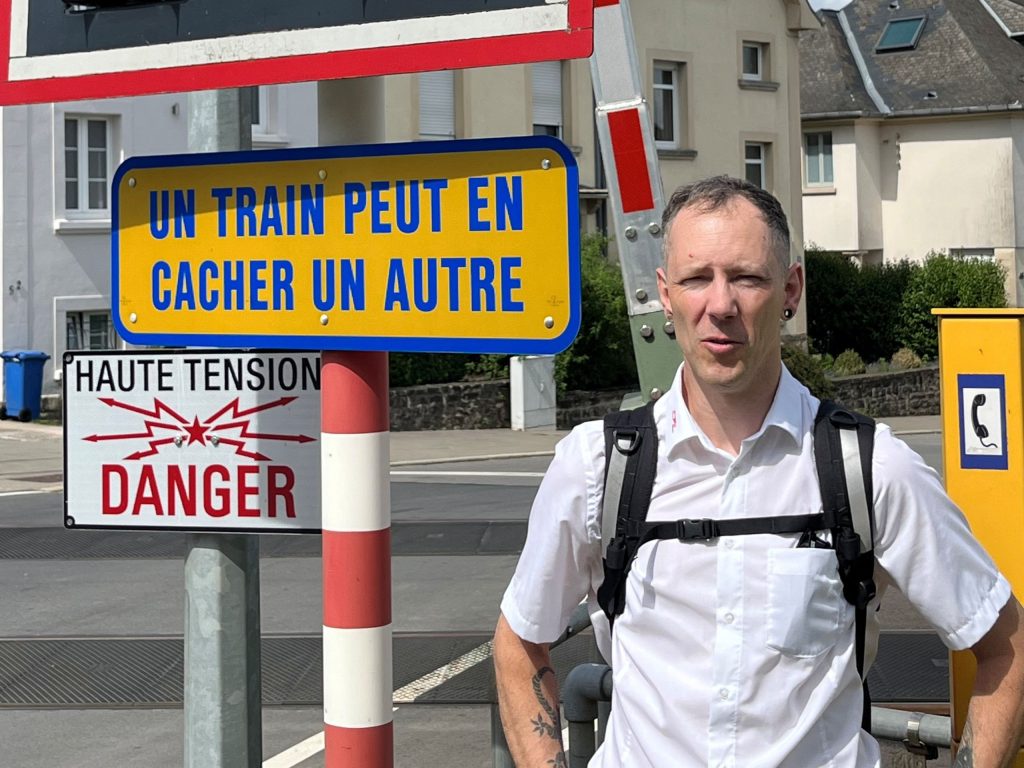
“My passion for the job outweighs the fear that it could happen again.”
What message would you like to give these people?
Always follow traffic rules, wherever you are. Ignoring them not only puts your own life at risk. In the event of a collision, others are also affected – family members, or train staff who, after such a tragic experience, might not be able to continue in their profession.
In the past three and a half years, have you ever thought, “I don’t want to drive trains anymore”?
No. That moment has never come. I am a passionate train driver and I truly enjoy my job. That has certainly helped me come to terms with the tragedy of 6 January 2023. My passion for the job outweighs the fear that it might happen again.
Other articles you may like
-
 Behind the scenes28 Sep. 20262 minutes
Exterior Train Washing at CFL in 5 Facts
Read more -
 Behind the scenes27 Aug. 20261 minute
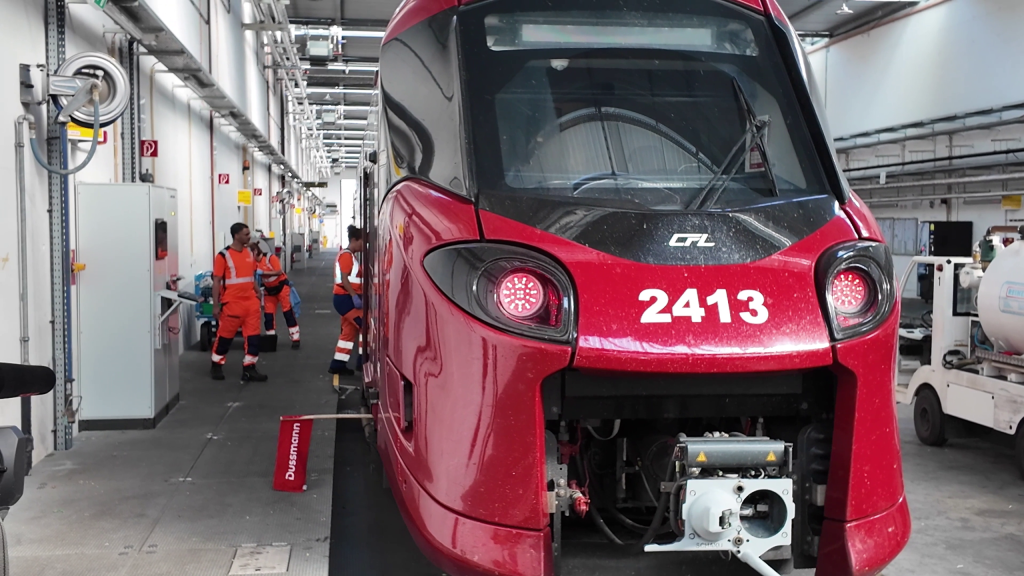
Cleaning the CFL trains in 5 key points
Read more -
 Behind the scenes13 Aug. 20263 minutes
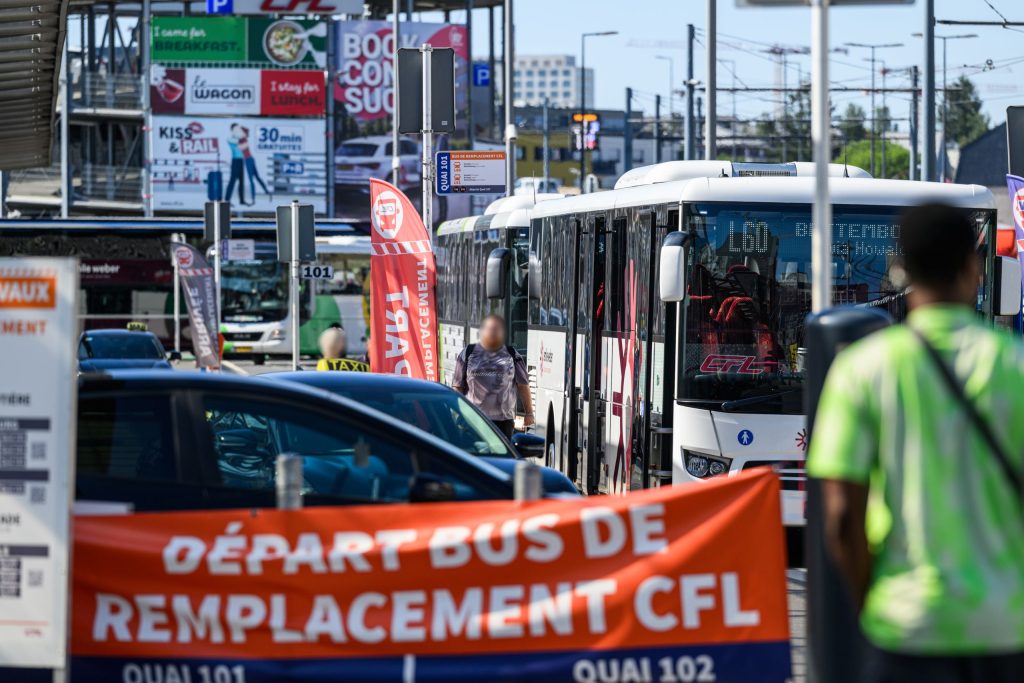
1,000 bus journeys a day: inside the summer 2026 rail replacement operation
Read more -
 Behind the scenes29 Jul. 20264 minutes
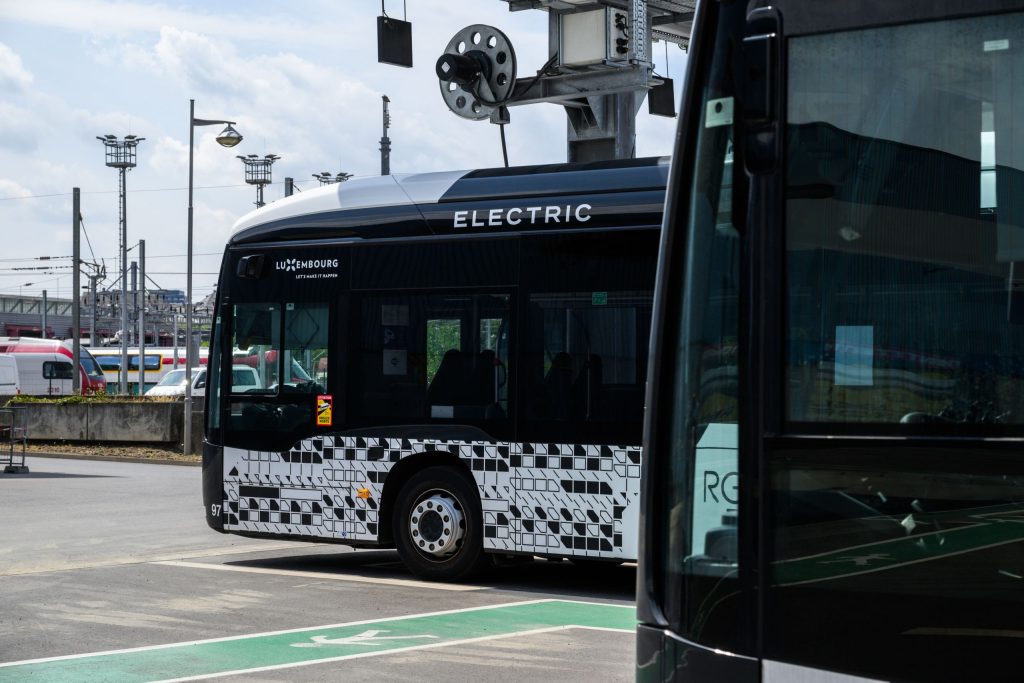
CFL buses are powering ahead with electric mobility
Read more -
Behind the scenes08 Jun. 20266 minutes
An accident involving a person from a train driver’s perspective
Read more -
 Behind the scenes29 Apr. 20263 minutes
Using Psychology and Engagement to Improve Cleanliness in Train Toilets
Read more