
CFL buses are powering ahead with electric mobility
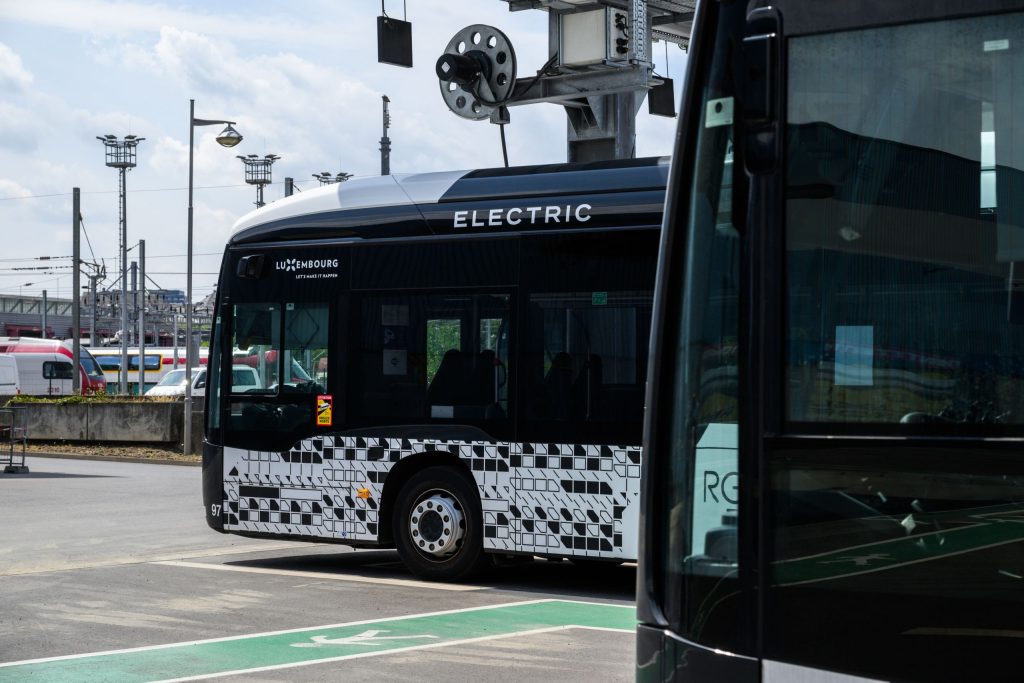
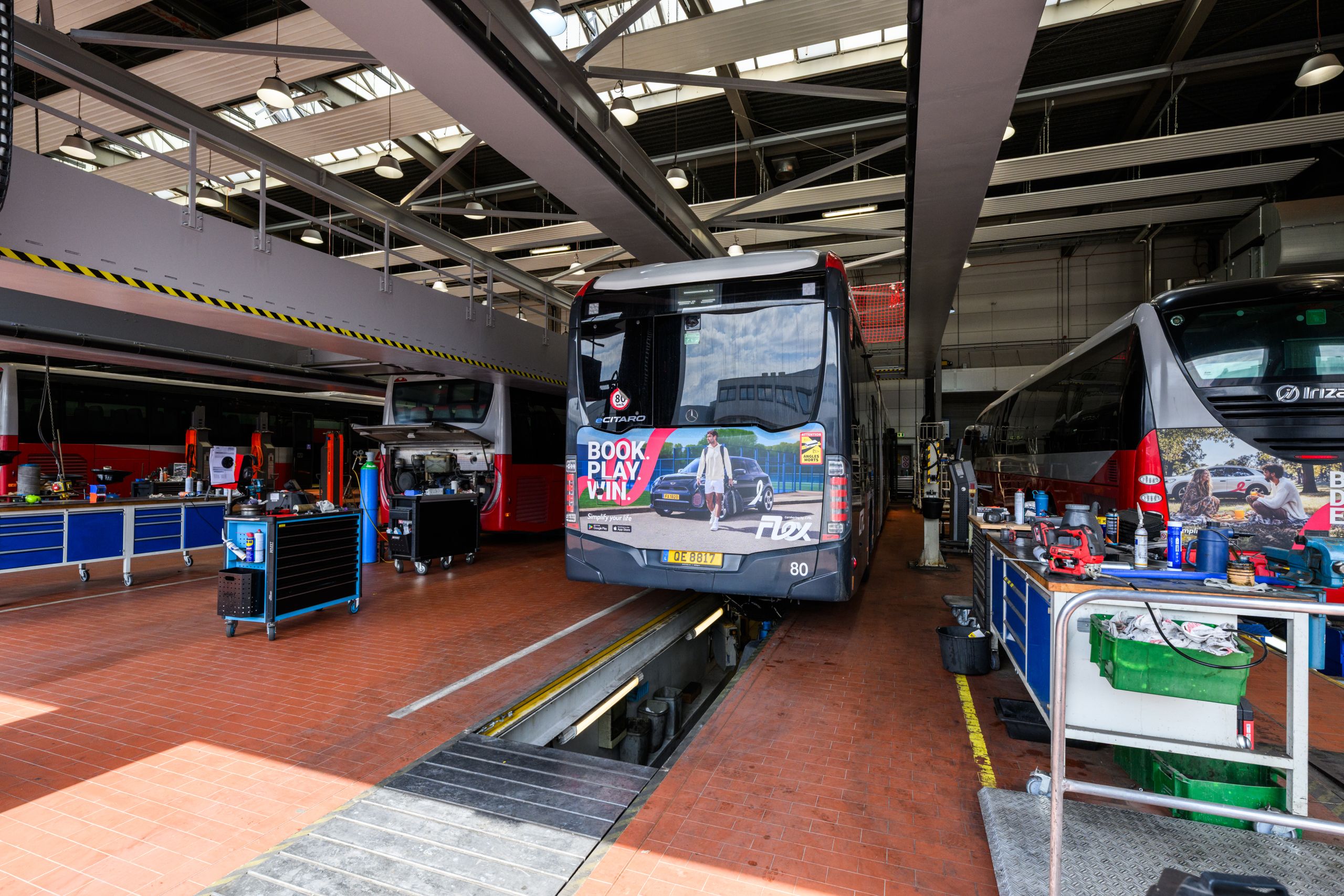
The electrification of the CFL’s 83 buses is moving up a gear. Following the arrival of 12 electric buses in 2025, 12 additional vehicles are joining the fleet this year. This marks a significant milestone in a transformation that began in 2019 with the introduction of the first two buses, and which is set to lead to the complete electrification of the fleet by 2030, accompanied by new charging, parking and maintenance infrastructure.
An electric bus is more than just a battery. Behind every journey lies a precise organisational system combining planning, smart charging, suitable infrastructure and digital tools. Whilst passengers are already enjoying 14 quieter, more comfortable and cleaner buses, the teams are constantly refining the planning and operation of these next-generation vehicles.
“In collaboration with our suppliers, we have adapted our staff and bus scheduling software so that everything is perfectly aligned,” says Jeff Van Der Weken, Head of Bus Operations at the CFL. “The challenge is to get different systems to work together towards a single goal: delivering a timely service to customers.”
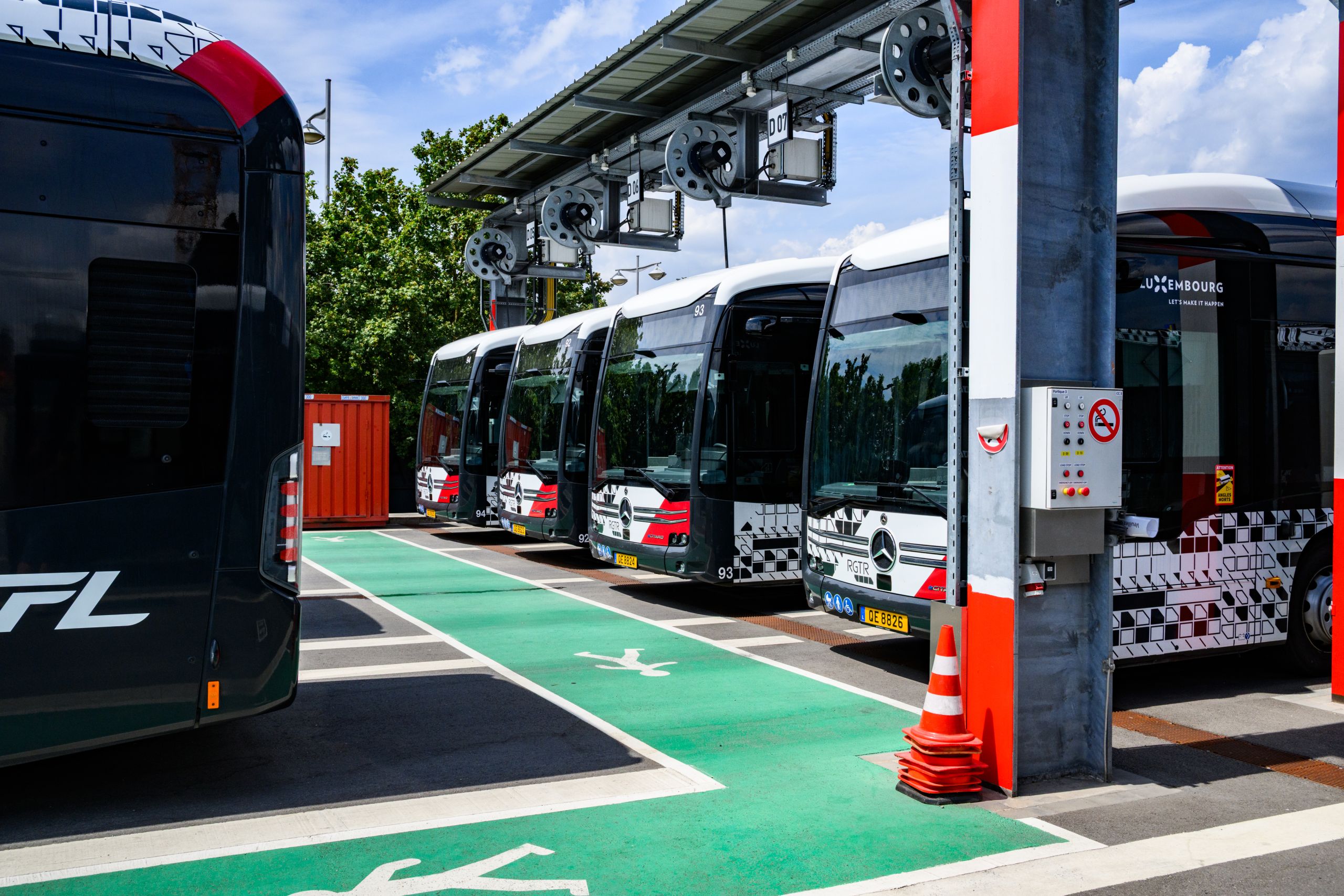
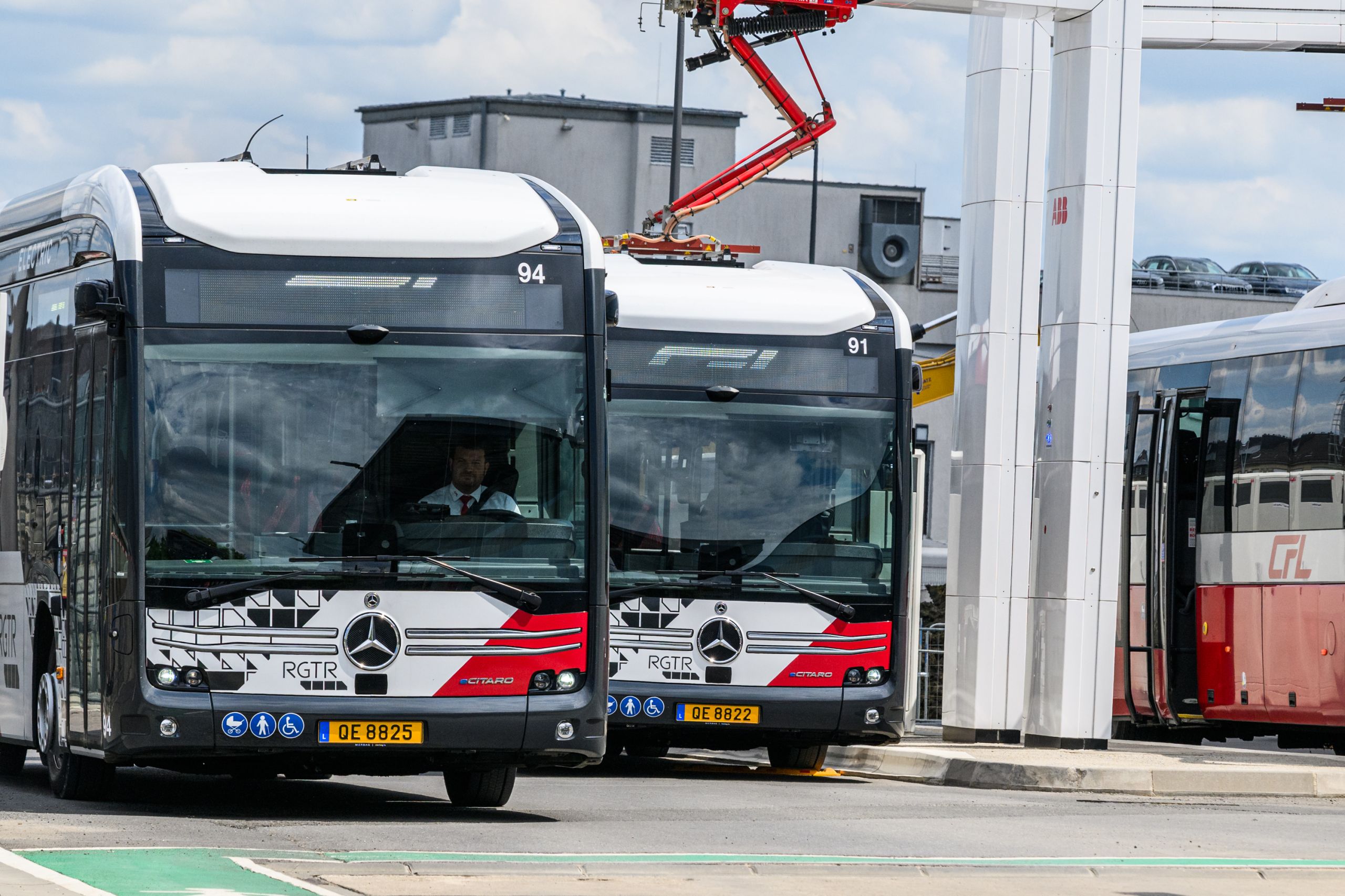
When a bus is connected to a charging point, the software analyses the energy required for the next journey and schedules the charging to take advantage of the most favourable electricity tariff.
“Smart charging for buses is similar to what a private individual might do with their own vehicle: charging at the best time based on the price of electricity,” adds Jeff Van Der Weken. “We also ensure that the battery’s lifespan is maximised. To do this, we avoid full charging as much as possible and limit the use of the pantograph, which allows for faster charging but whose higher power output causes greater wear and tear on the battery, much like superchargers for cars.”
Alongside the arrival of the new buses, the CFL are planning to build a new hall and workshop at the Bus Service headquarters in Bonnevoie, as well as decentralised charging facilities in Echternach and Mertert-Wasserbillig.
Benefits for staff and customers alike
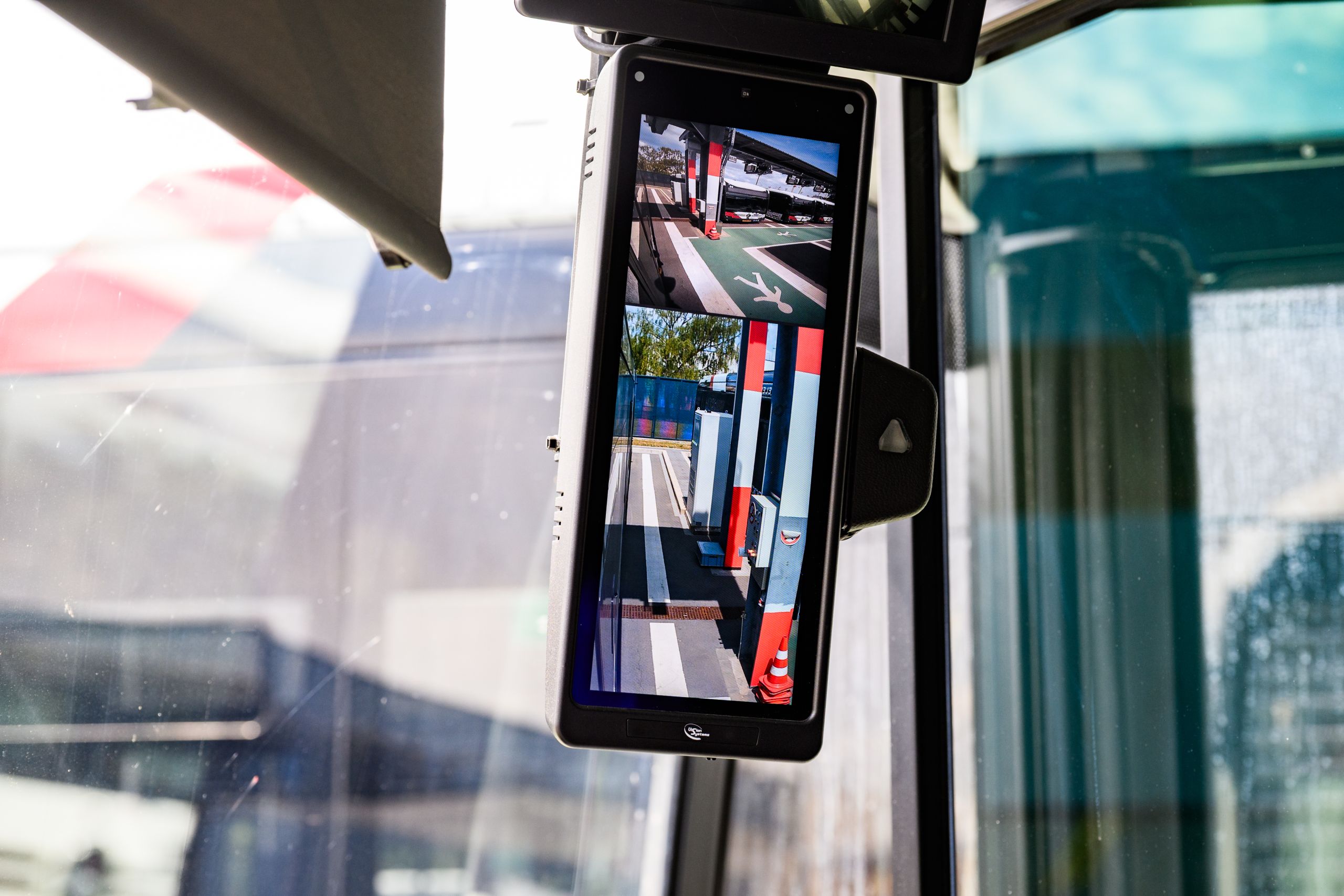
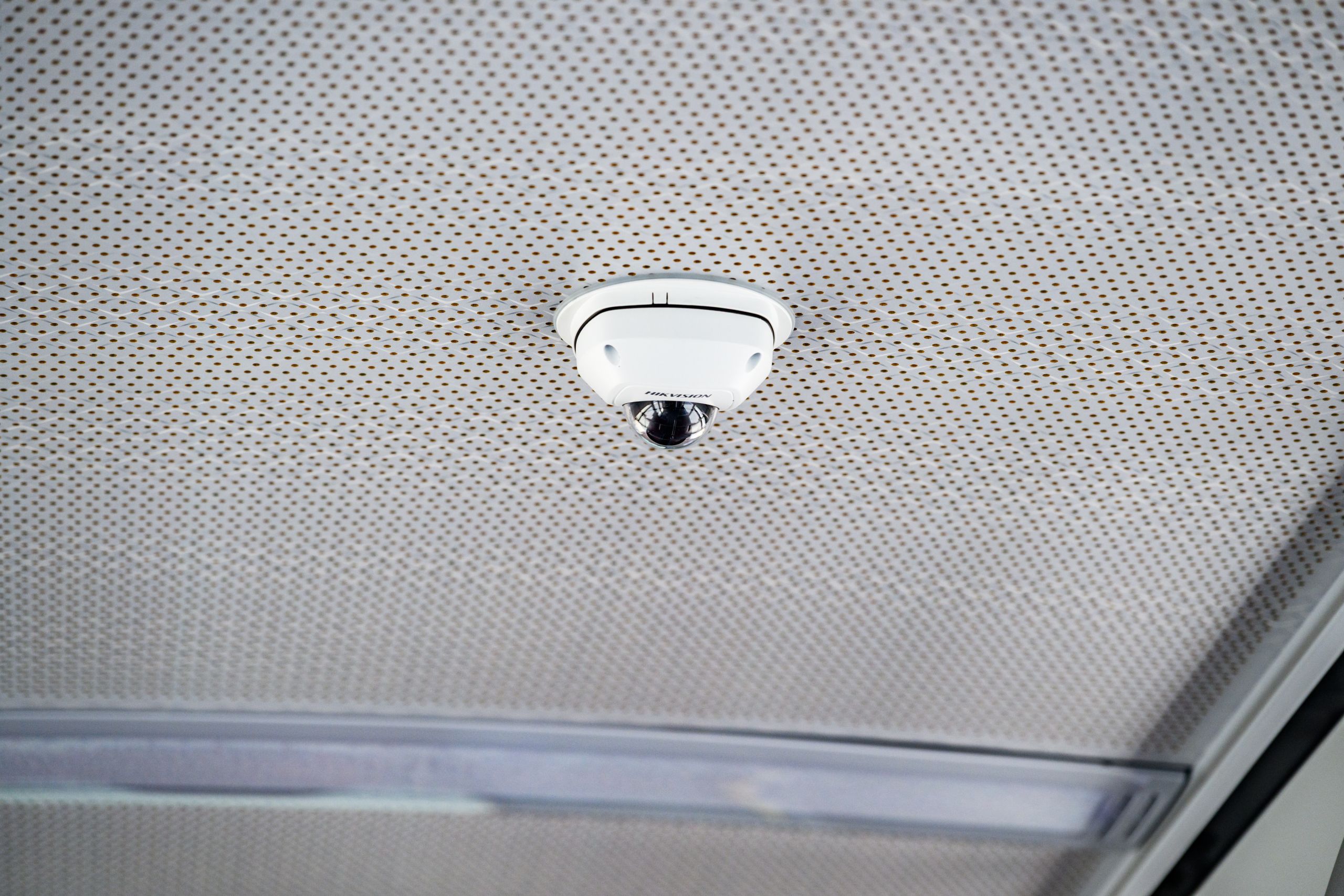
State-of-the-art safety features, a comfortable journey… electric buses offer plenty of benefits not only for customers but also for the staff who get them to their destination safely.
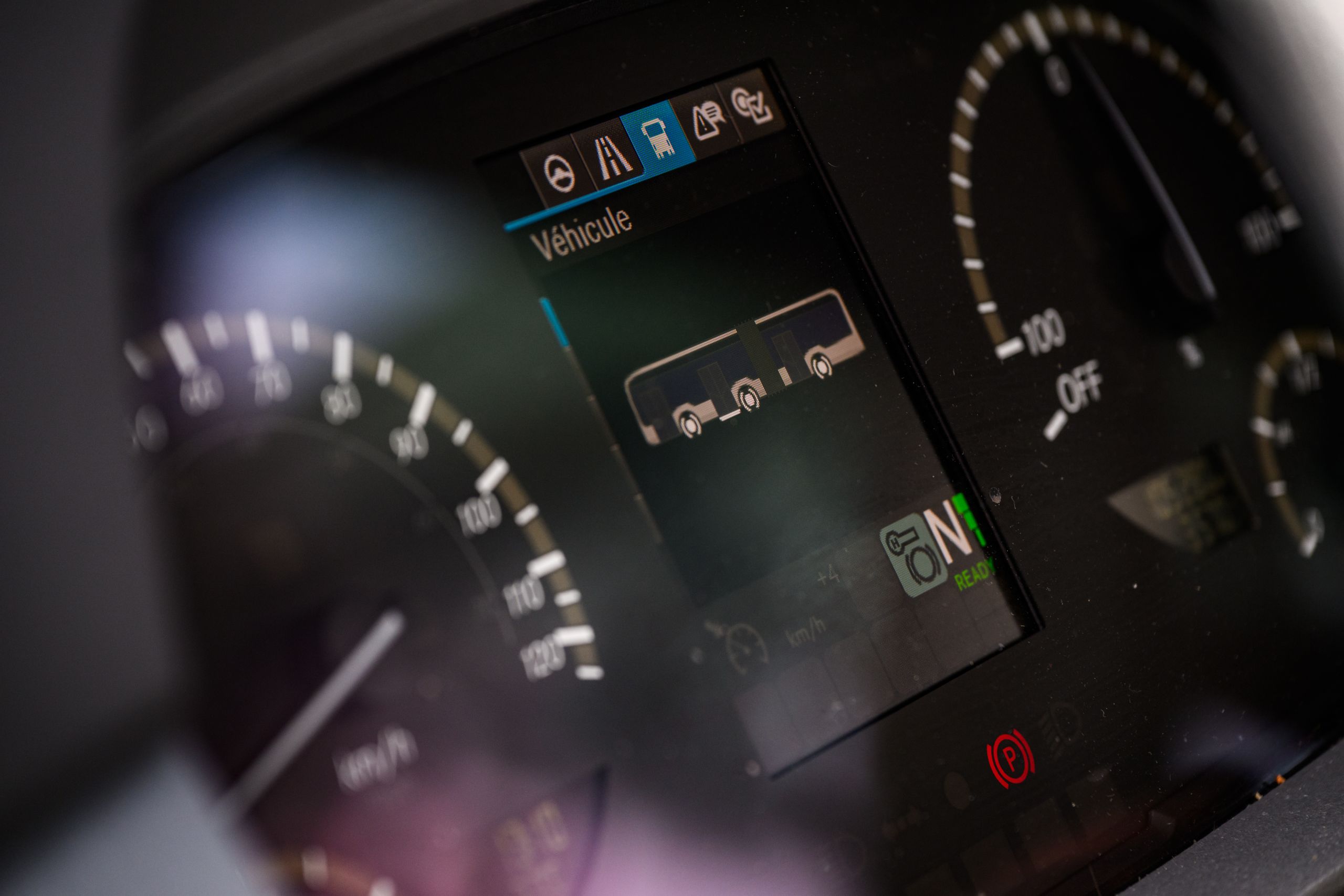
“Our colleagues have already covered a great many kilometres in our new buses and they confirm that the driver’s cab has been very well designed, much like an aeroplane cockpit. This satisfaction is also down to the electric driving experience itself, which is significantly more pleasant than with a combustion-engine vehicle, both in terms of noise levels and available power,” adds Christophe Ronkar, Head of the Bus Fleet Division at the CFL.
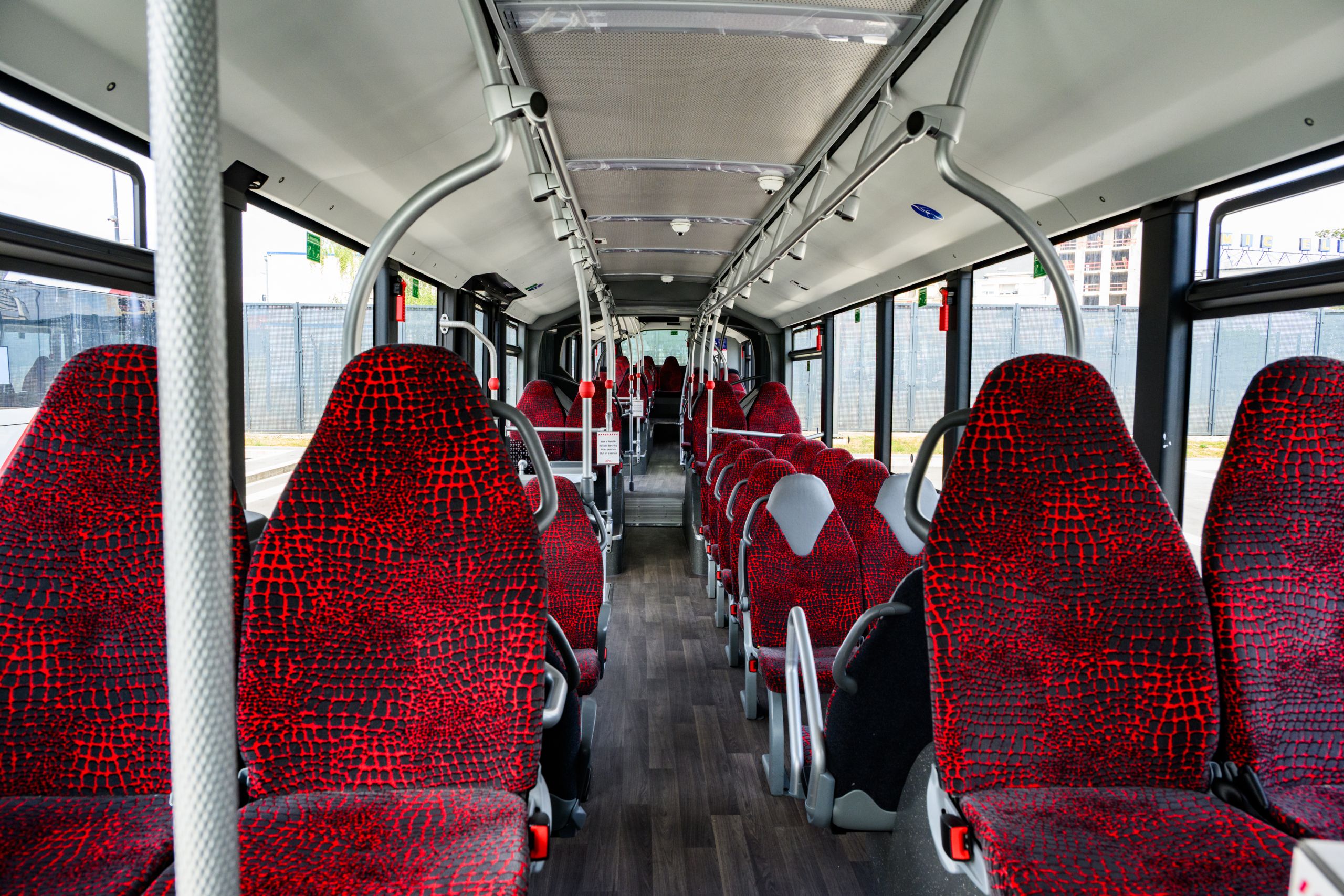
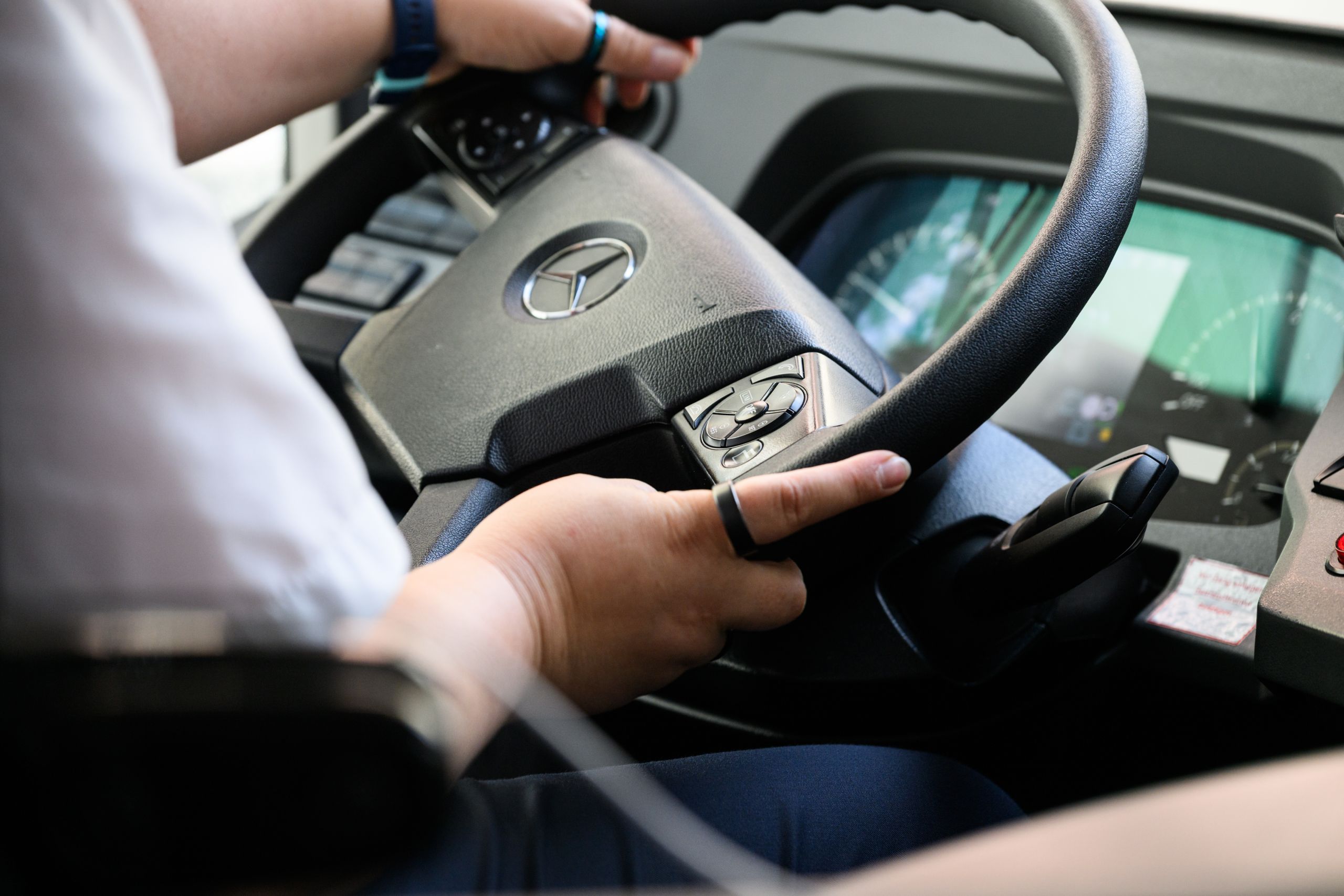
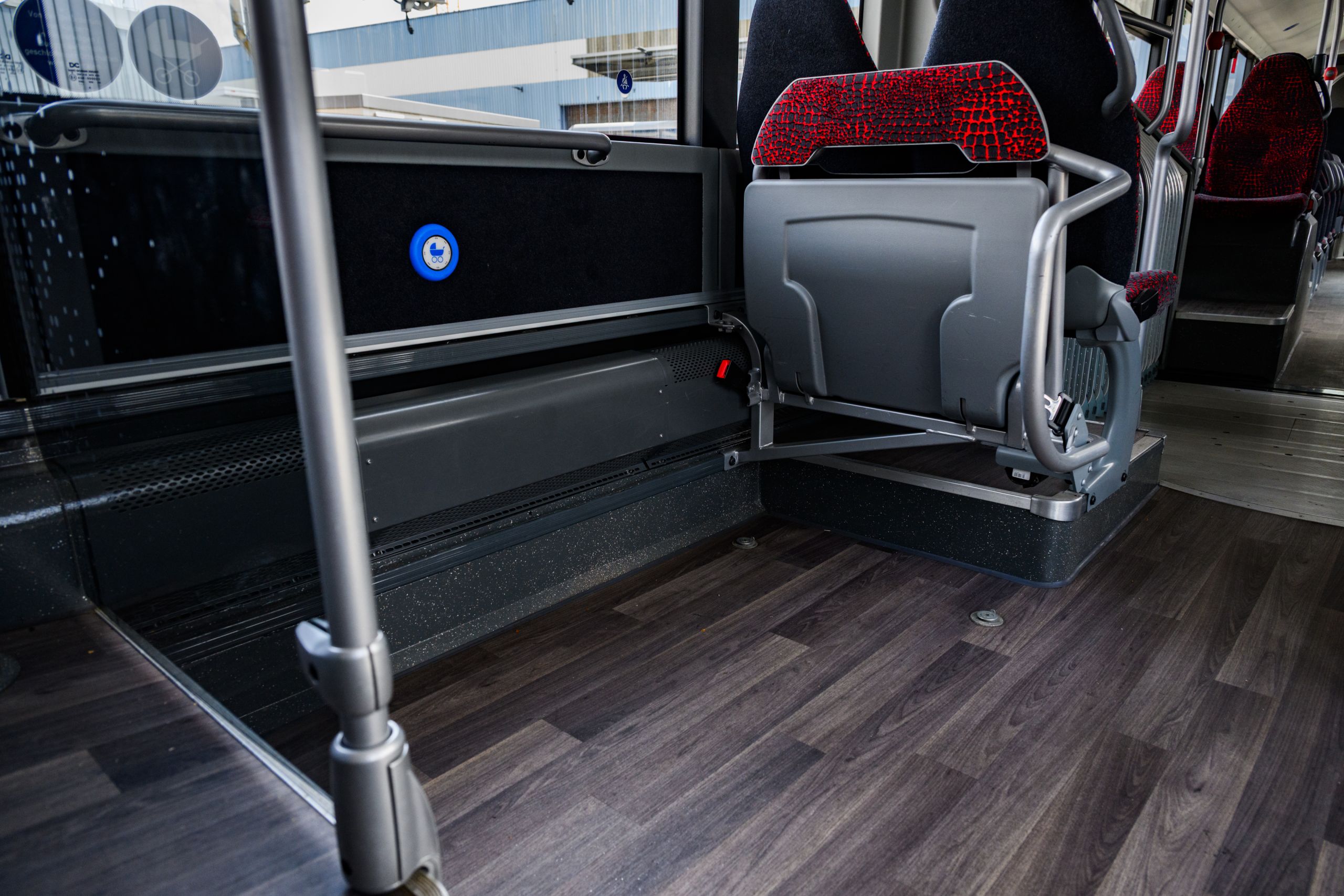
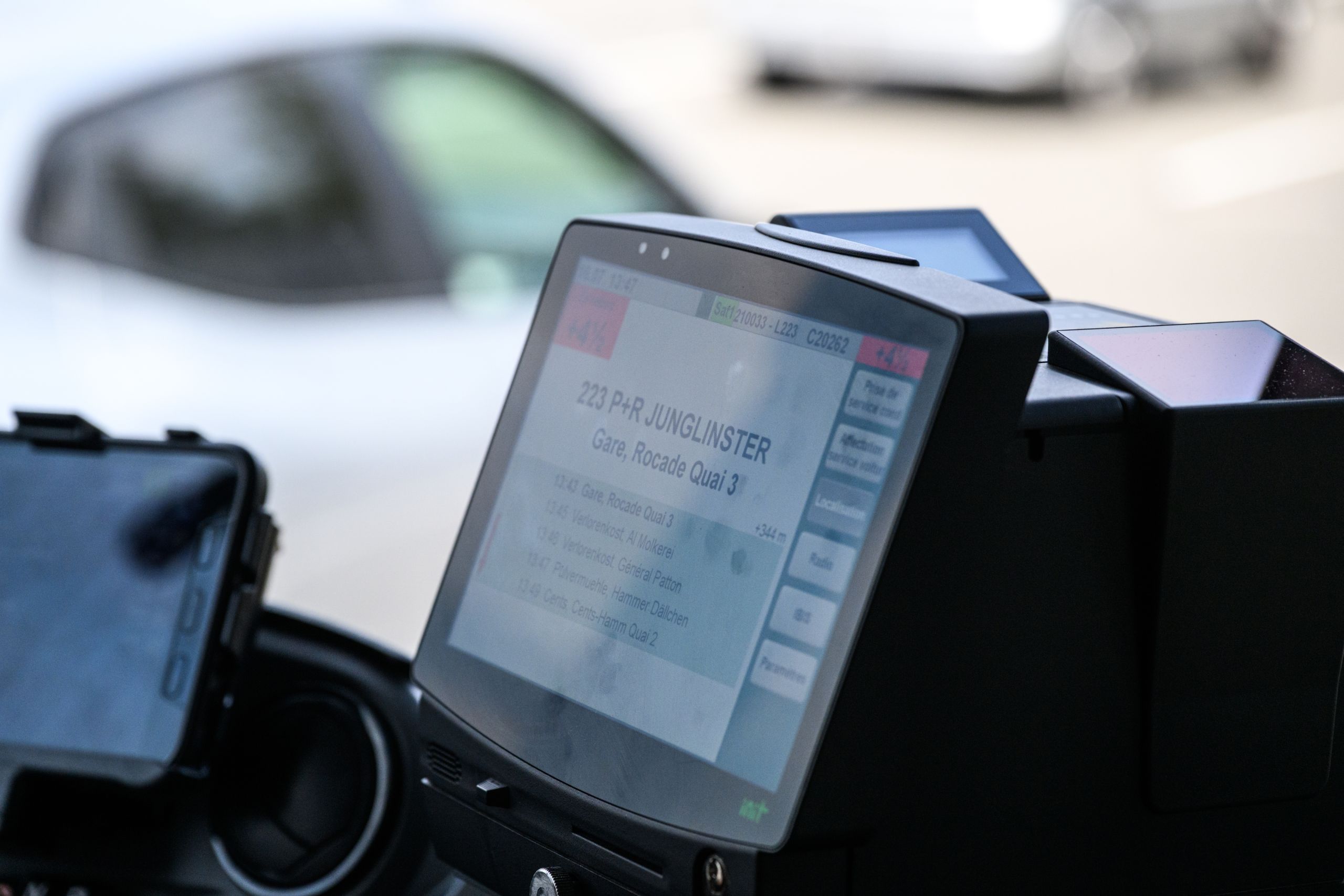
Designed for a service life of 8 years, covering 90,000 km per year, these buses offer substantial efficiency gains by avoiding the heat losses typical of combustion-engine vehicles and by recovering energy during braking.
The delivery of the next batch of buses will also enable the organisation to benefit from the latest technological advances in battery technology, offering greater capacity and range. 12 Mercedes eCitaro buses are scheduled for delivery in summer 2026 (6 measuring 12 metres in length and 6 measuring 18 metres in length). 14 Volvo buses are planned for early 2027 (4 measuring 18 metres in length and 10 measuring 15 metres in length).
“These are significant investments in rolling stock, but above all an investment in the modern, sustainable and inclusive mobility promoted by the CFL,” notes Christophe Ronkar.
Other articles you may like
-
 Behind the scenes28 Sep. 20262 minutes
Exterior Train Washing at CFL in 5 Facts
Read more -
 Behind the scenes27 Aug. 20261 minute
Cleaning the CFL trains in 5 key points
Read more -
 Behind the scenes13 Aug. 20263 minutes
1,000 bus journeys a day: inside the summer 2026 rail replacement operation
Read more -
Behind the scenes29 Jul. 20264 minutes
CFL buses are powering ahead with electric mobility
Read more -
 Behind the scenes08 Jun. 20266 minutes
An accident involving a person from a train driver’s perspective
Read more -
 Behind the scenes29 Apr. 20263 minutes
Using Psychology and Engagement to Improve Cleanliness in Train Toilets
Read more