
1,000 bus journeys a day: inside the summer 2026 rail replacement operation
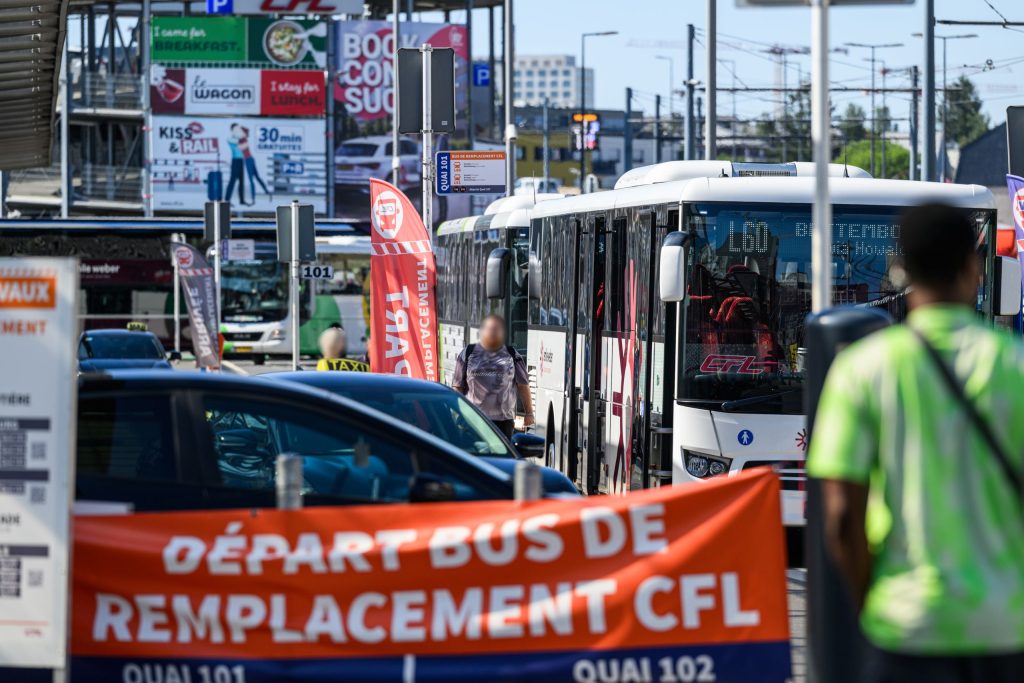
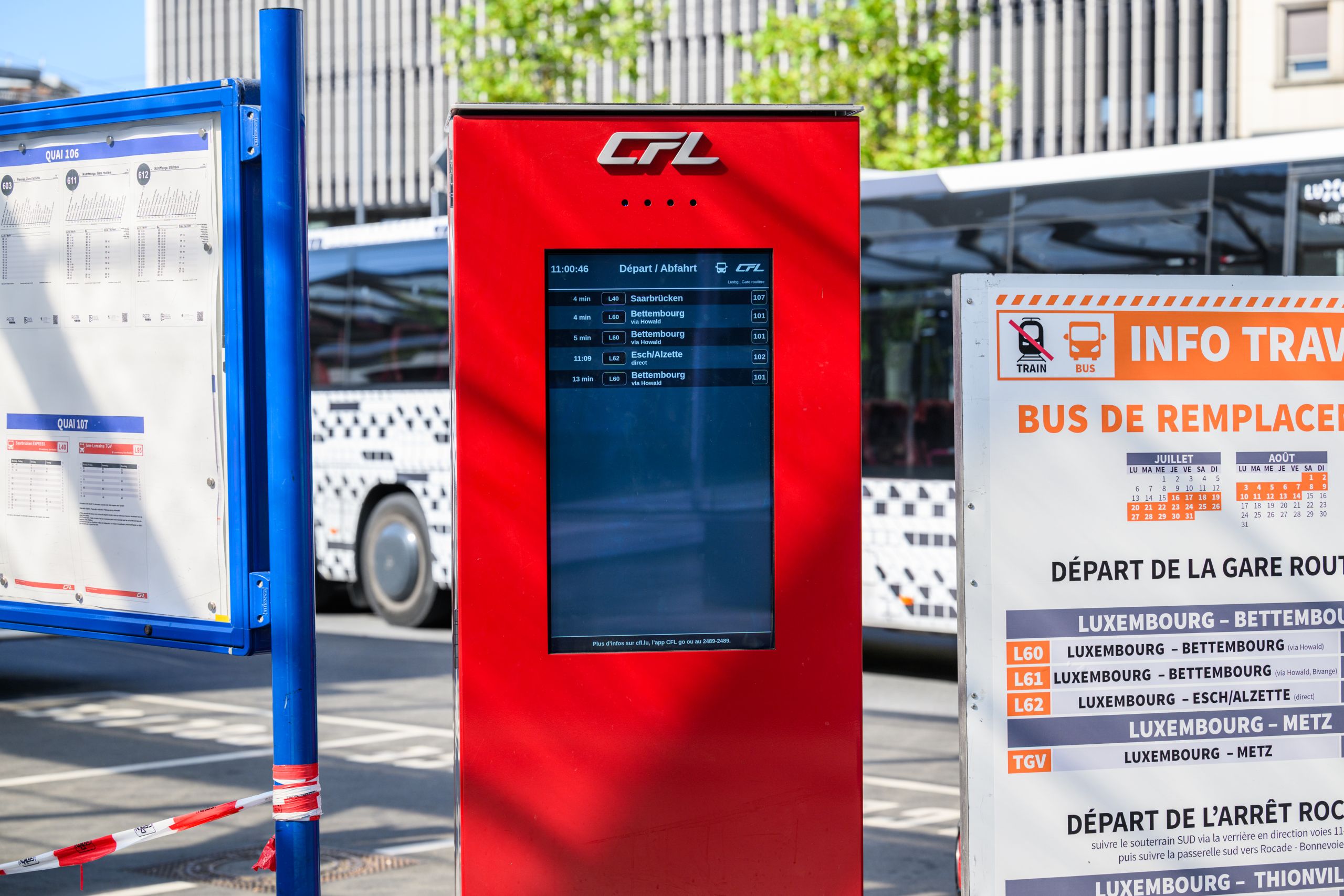
When construction machinery is on the tracks instead of trains, another part of the CFL comes to the foreground: the buses – and, above all, the staff who reliably get passengers to their destinations even whilst construction work is underway.
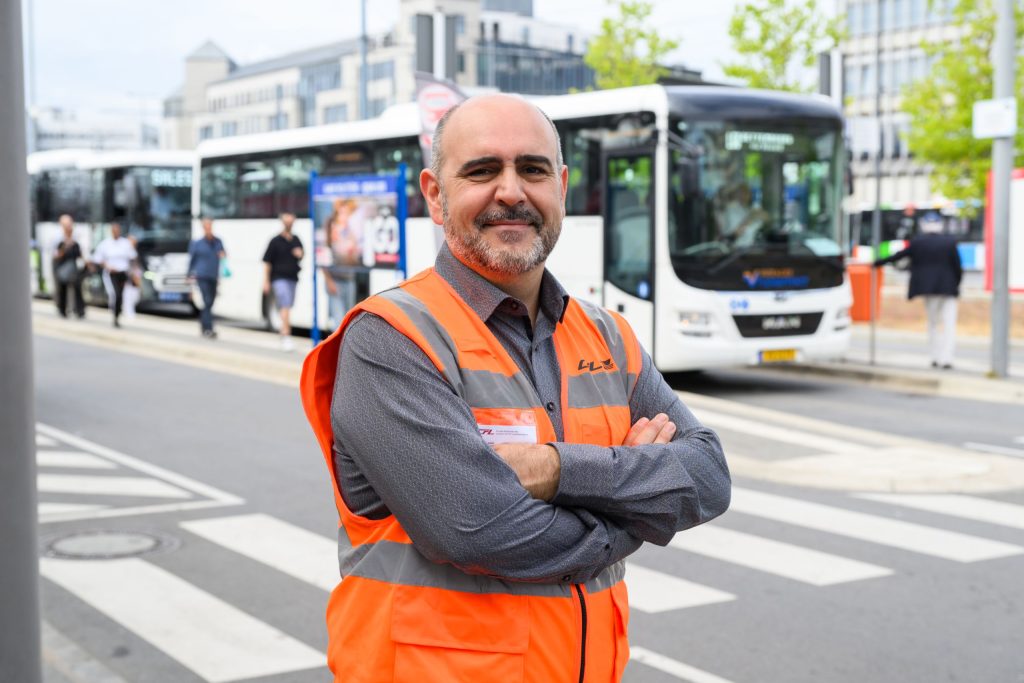
“When you say ‘construction work’, you’re talking about rail replacement services – and that inevitably means buses,” explains Alex. Together with his team, he coordinates the rail replacement services at the CFL.
We are working for your mobility of tomorrow

Find out everything you need to know about the CFL's summer works here

Use the journey planner on cfl.lu or the CFL go app to discover the replacement bus service that best matches your journey.
More than just running buses
“When work is being carried out on a railway line, it’s not enough simply to put on a few extra buses,” says Alex. Rail replacement services are a discipline in their own right, with very specific requirements.
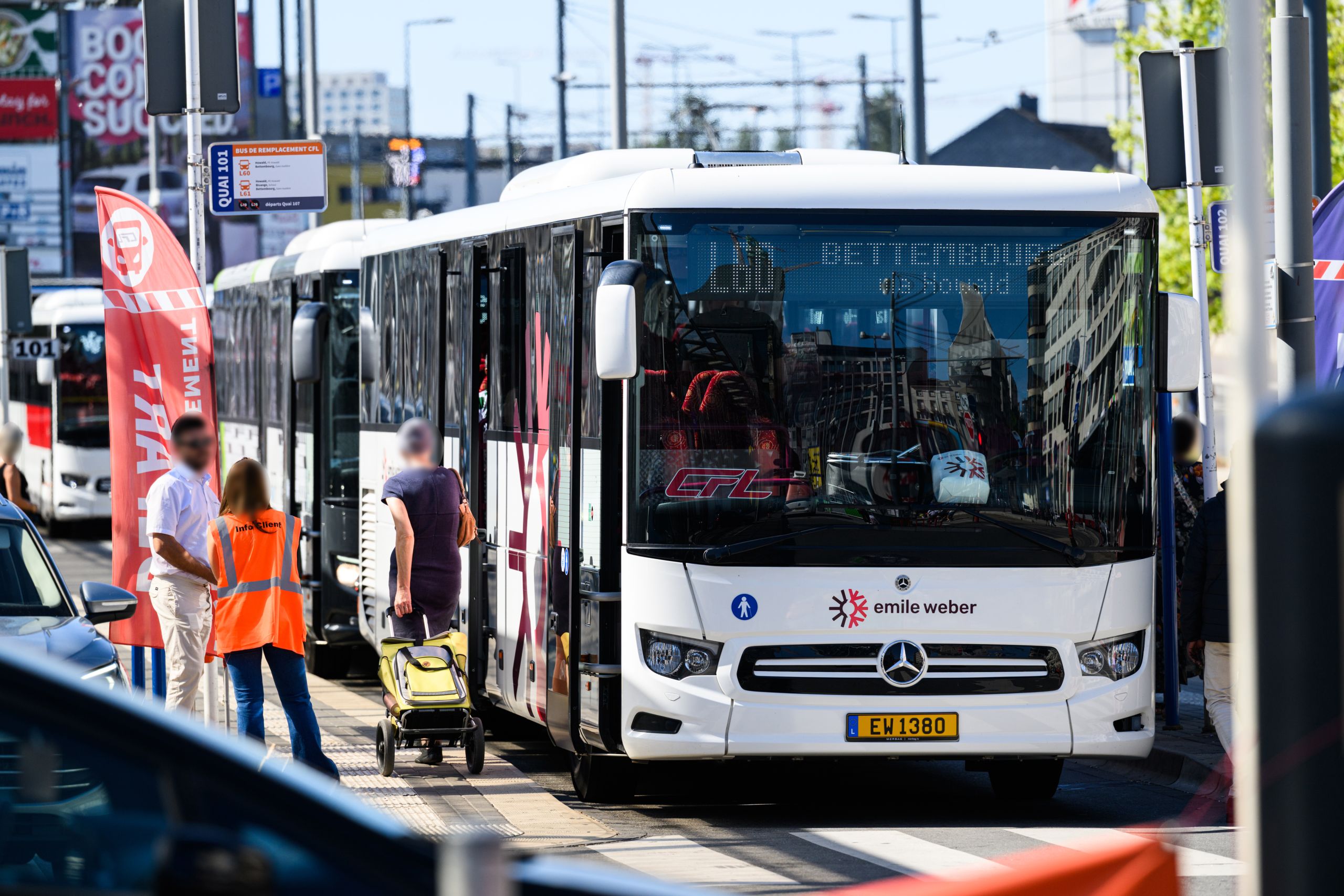
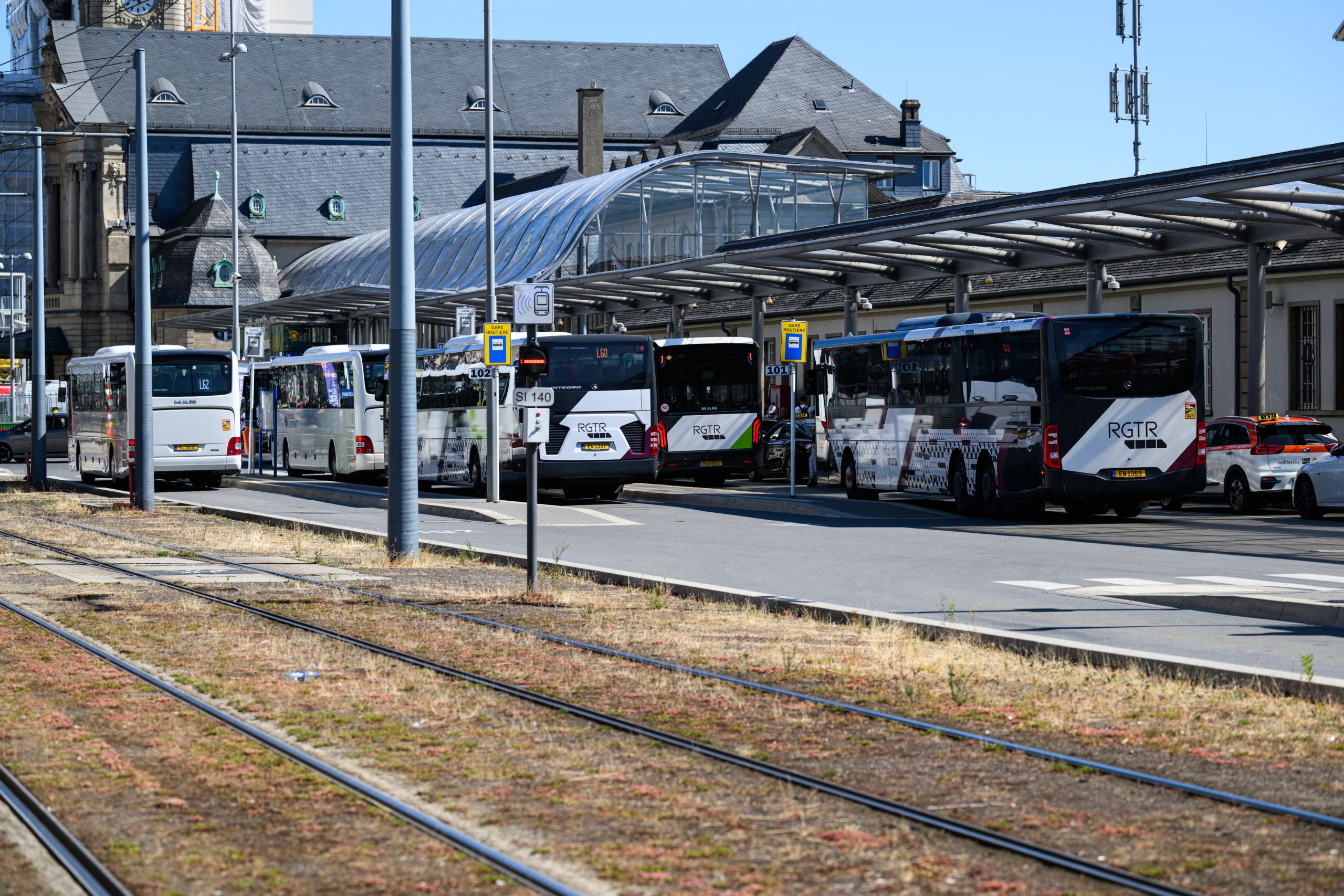
A three-carriage train can accommodate just under 300 passengers – equivalent to the seating capacity of around six 15-metre buses. But the challenge goes far beyond that: replacement buses must transport large numbers of passengers, be coordinated with the timetables of the trains still in service, and take into account road traffic, construction sites and changing travel habits.
Planning instead of improvisation
For rail replacement services to work, there must first be a sufficient number of buses available. These are available particularly during the school holidays, as they are not needed for school transport at that time.
However, forward-looking planning, close coordination with partners and a high degree of flexibility are at least as important. Simply ordering buses is not enough. Sufficient road capacity, additional driving staff, cooperation with local authorities and transport partners, as well as good coordination with the public bus network, are needed to ensure that CFL replacement buses and RGTR services complement each other effectively.
“Our solution must meet many needs simultaneously,” emphasises Alex. Behind the scenes, the challenge is to reconcile passenger flows, road capacity, transfer times and construction site logistics.
Experience and Customer Feedback
Listening, understanding and improving: this approach also plays a central role in bus operations. “Customer needs are constantly changing. That is why it is important to take feedback seriously and incorporate it into planning,” explains Alex.
Analysis of the first day of the rail replacement service in summer 2025 showed that many passengers were travelling earlier than expected. While some buses still had spare capacity, others lacked available seats. The lessons learned were put to immediate use: this summer, additional buses are already in place at earlier times.
In summer 2026, around 1,000 bus journeys were operated every day, made possible by the efforts of approximately 200 bus drivers. “At the CFL, we are always looking for the best solution for our customers. Perhaps not everything is perfect, but every day we do our utmost to get as close as possible to that goal.”
Other articles you may like
-
 Behind the scenes28 Sep. 20262 minutes
Exterior Train Washing at CFL in 5 Facts
Read more -
 Behind the scenes27 Aug. 20261 minute
Cleaning the CFL trains in 5 key points
Read more -
Behind the scenes13 Aug. 20263 minutes
1,000 bus journeys a day: inside the summer 2026 rail replacement operation
Read more -
 Behind the scenes29 Jul. 20264 minutes
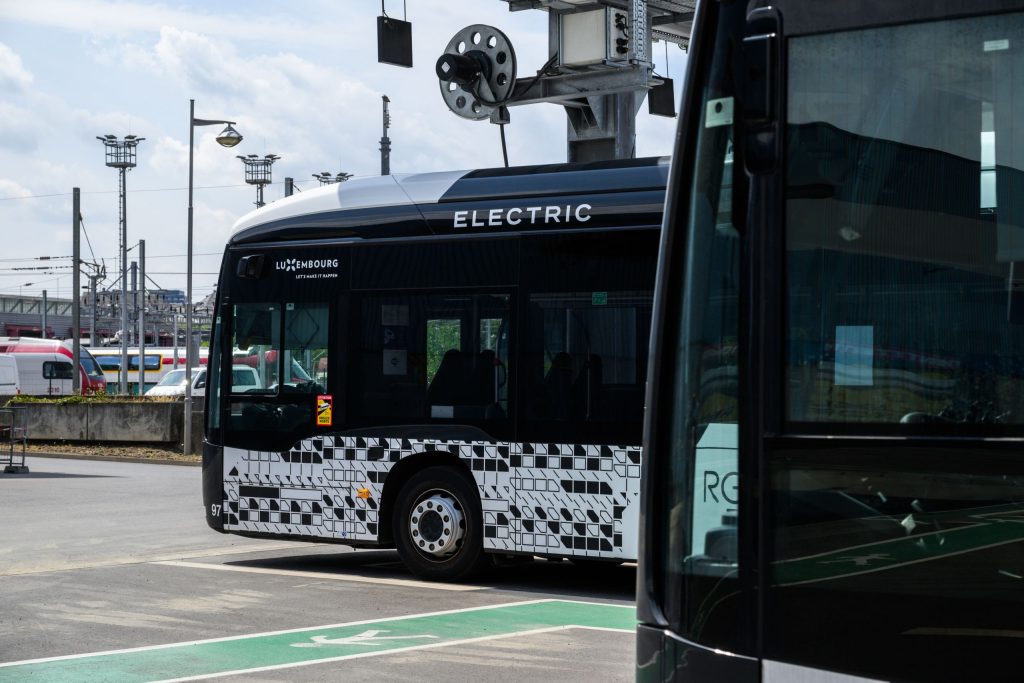
CFL buses are powering ahead with electric mobility
Read more -
 Behind the scenes08 Jun. 20266 minutes
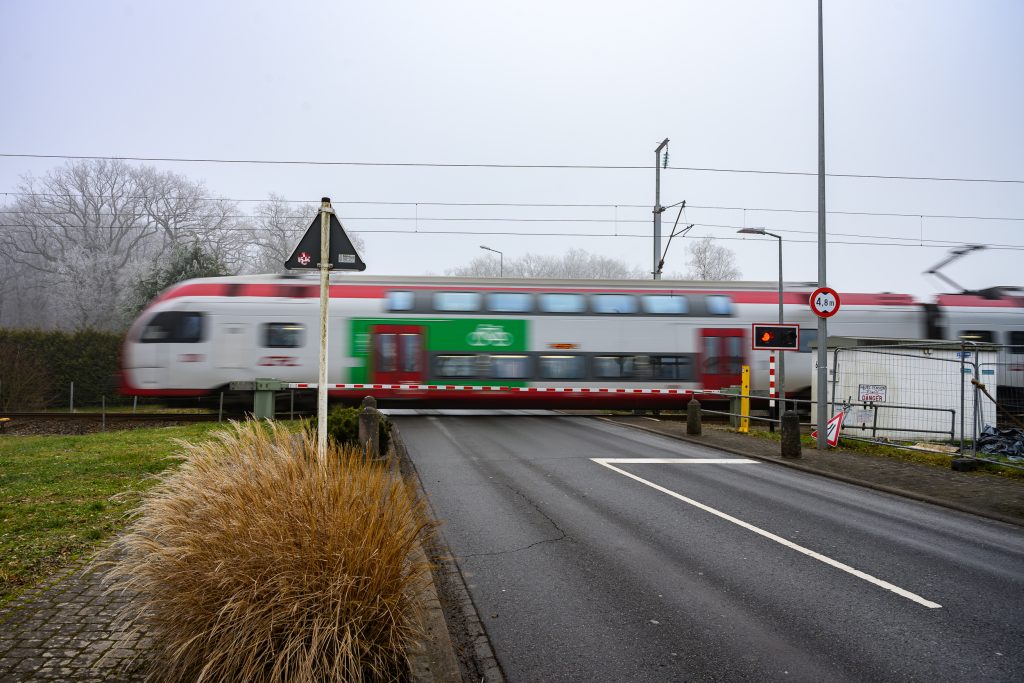
An accident involving a person from a train driver’s perspective
Read more -
 Behind the scenes29 Apr. 20263 minutes
Using Psychology and Engagement to Improve Cleanliness in Train Toilets
Read more